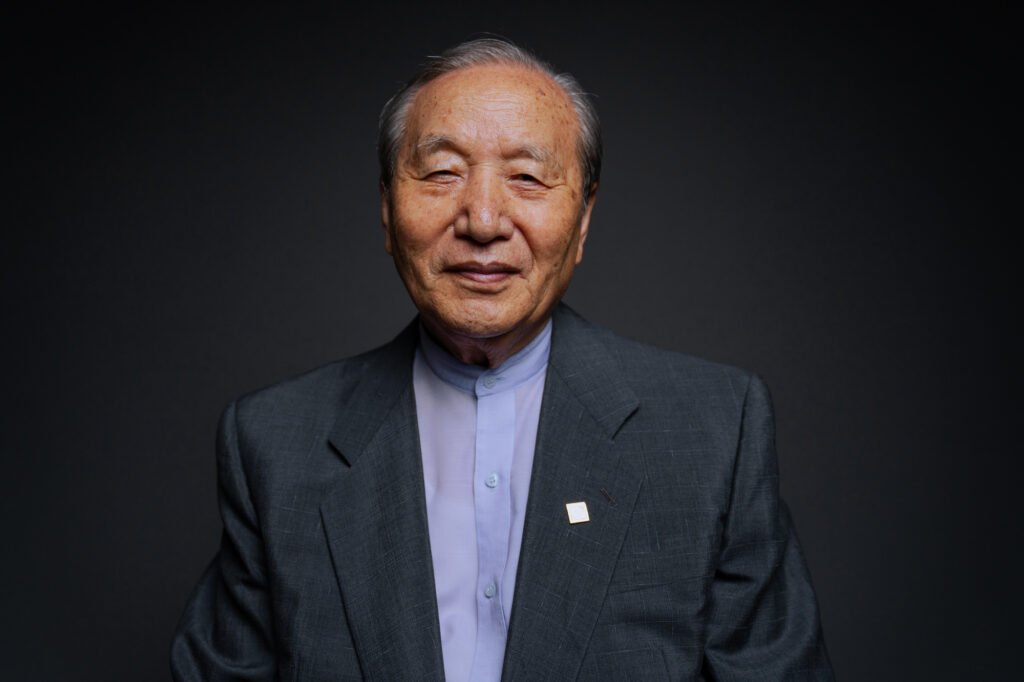
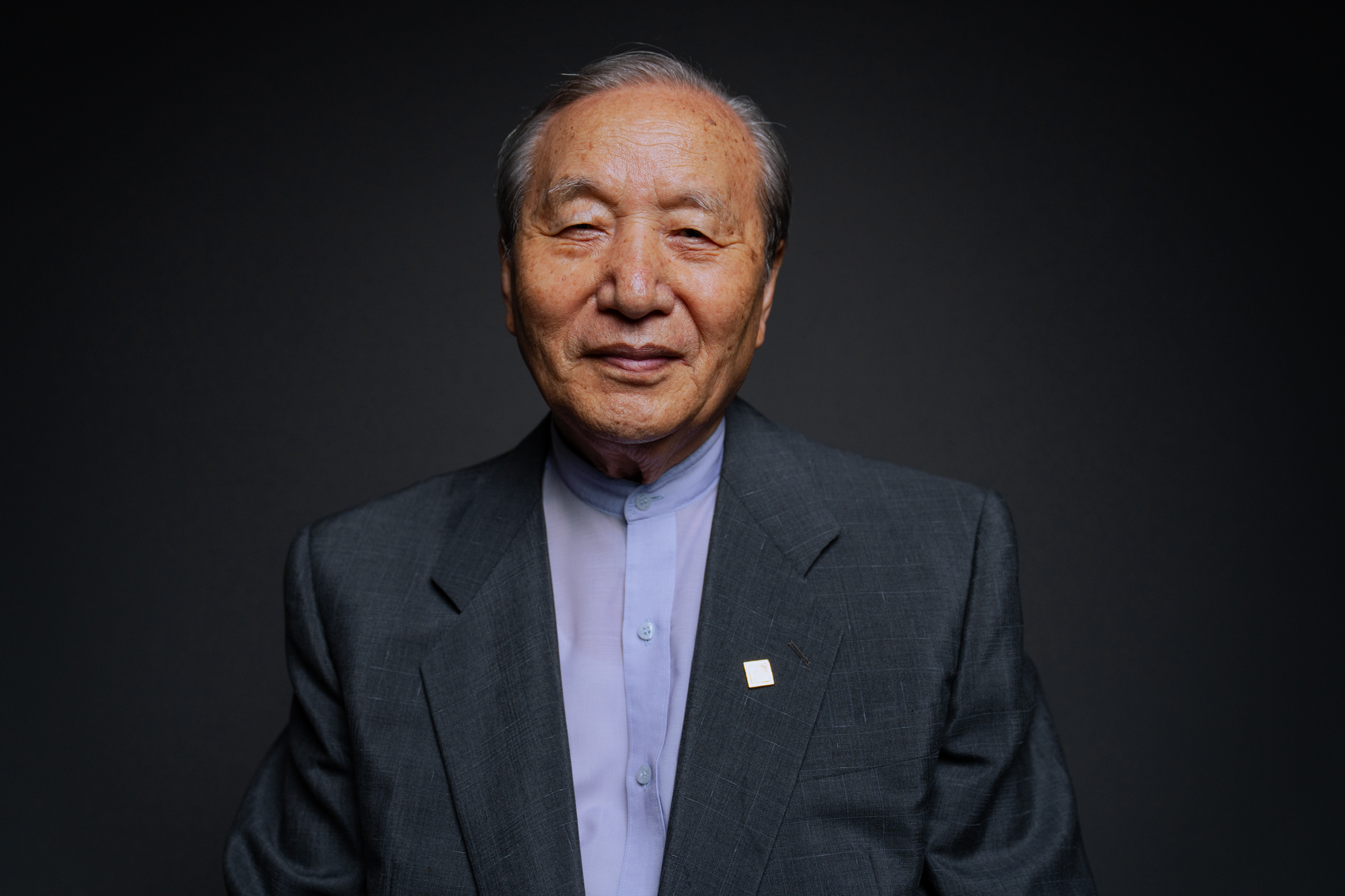










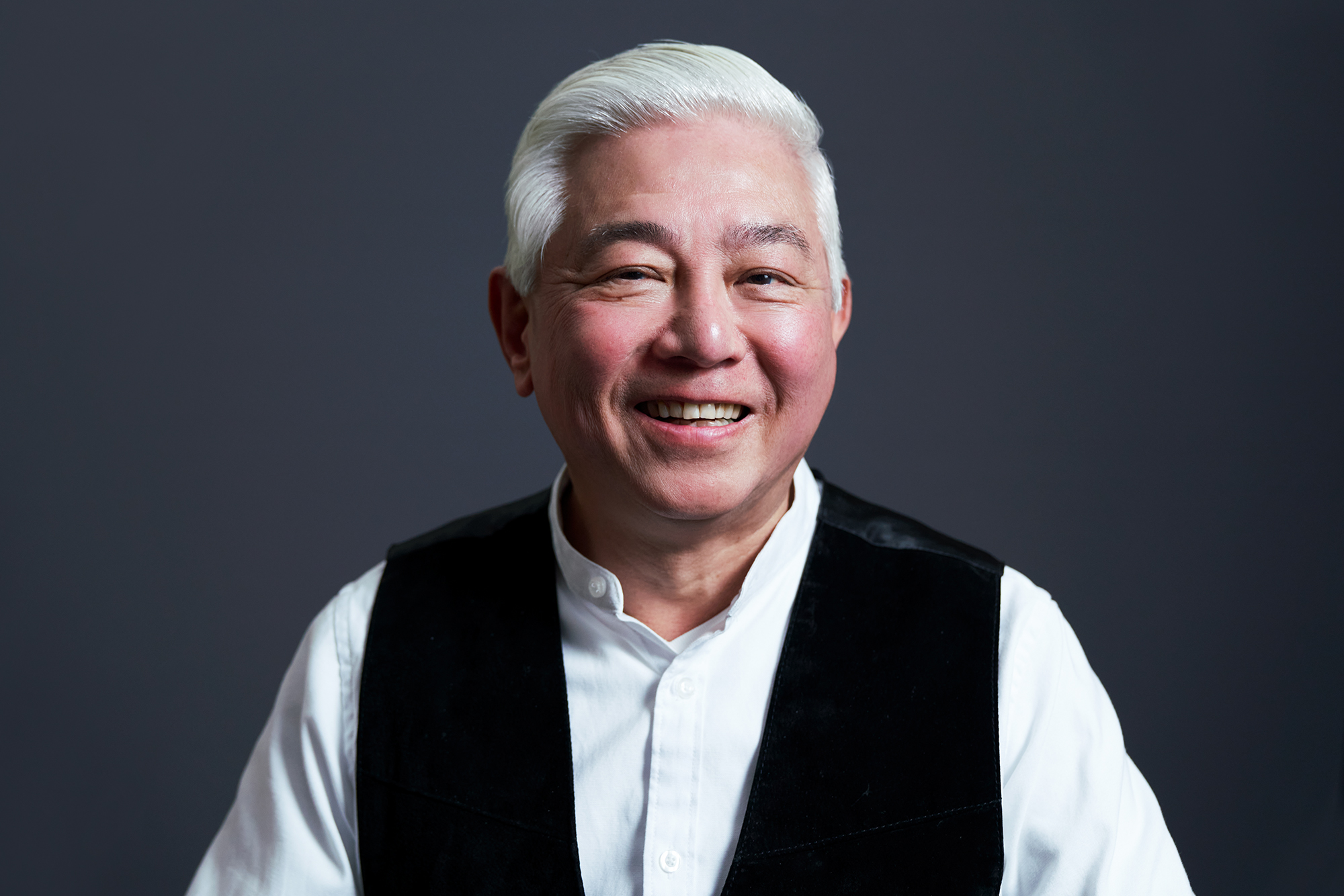




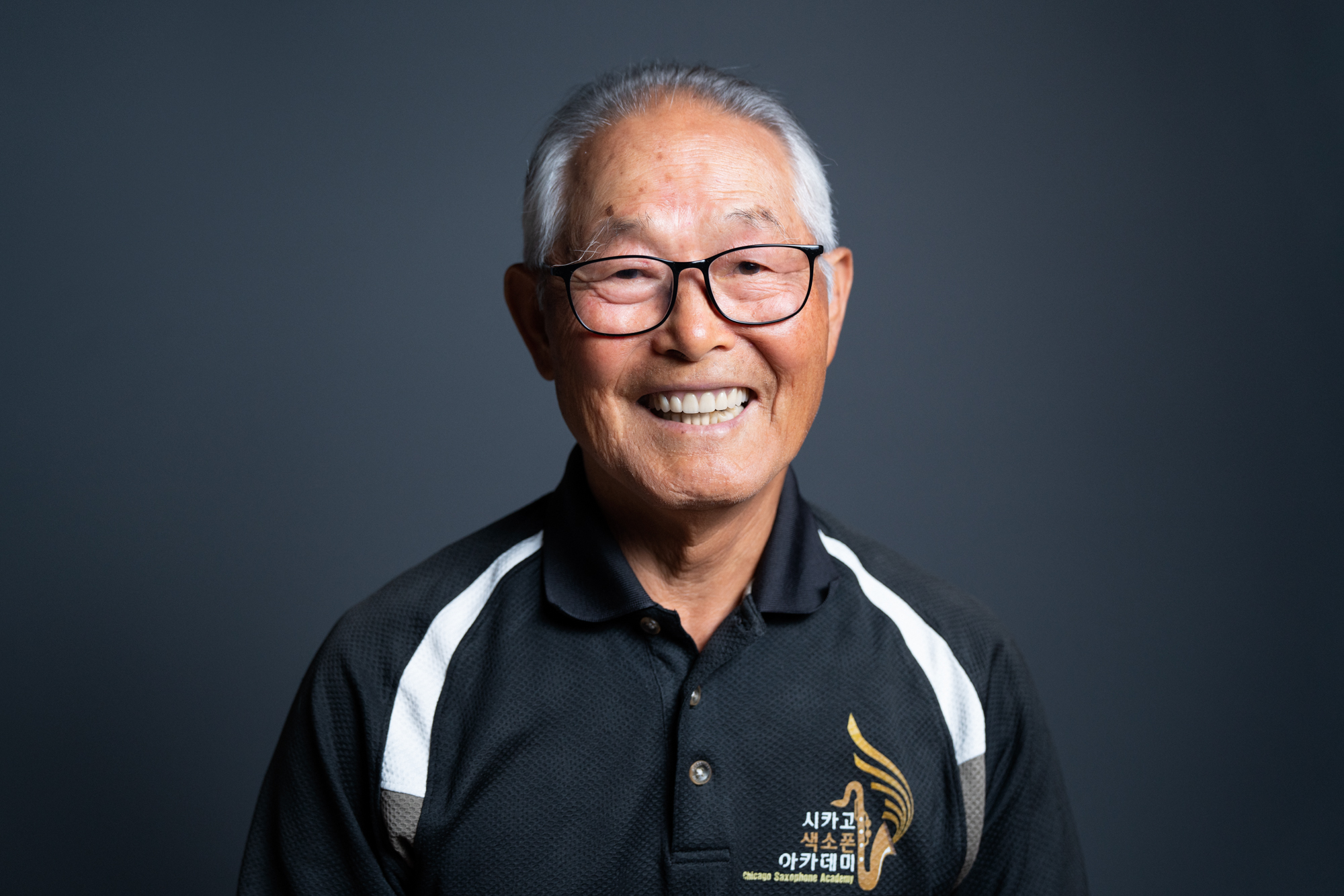


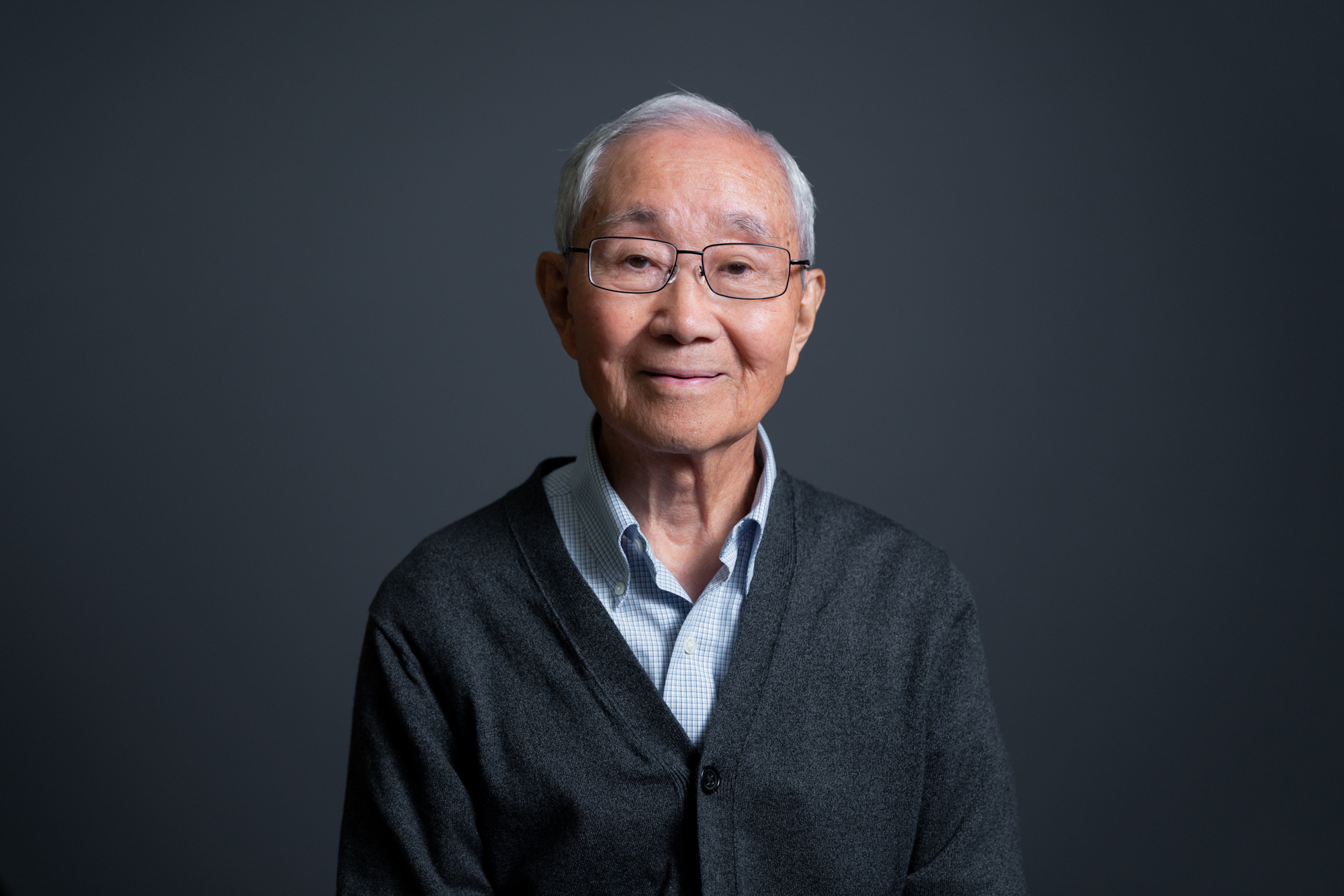



















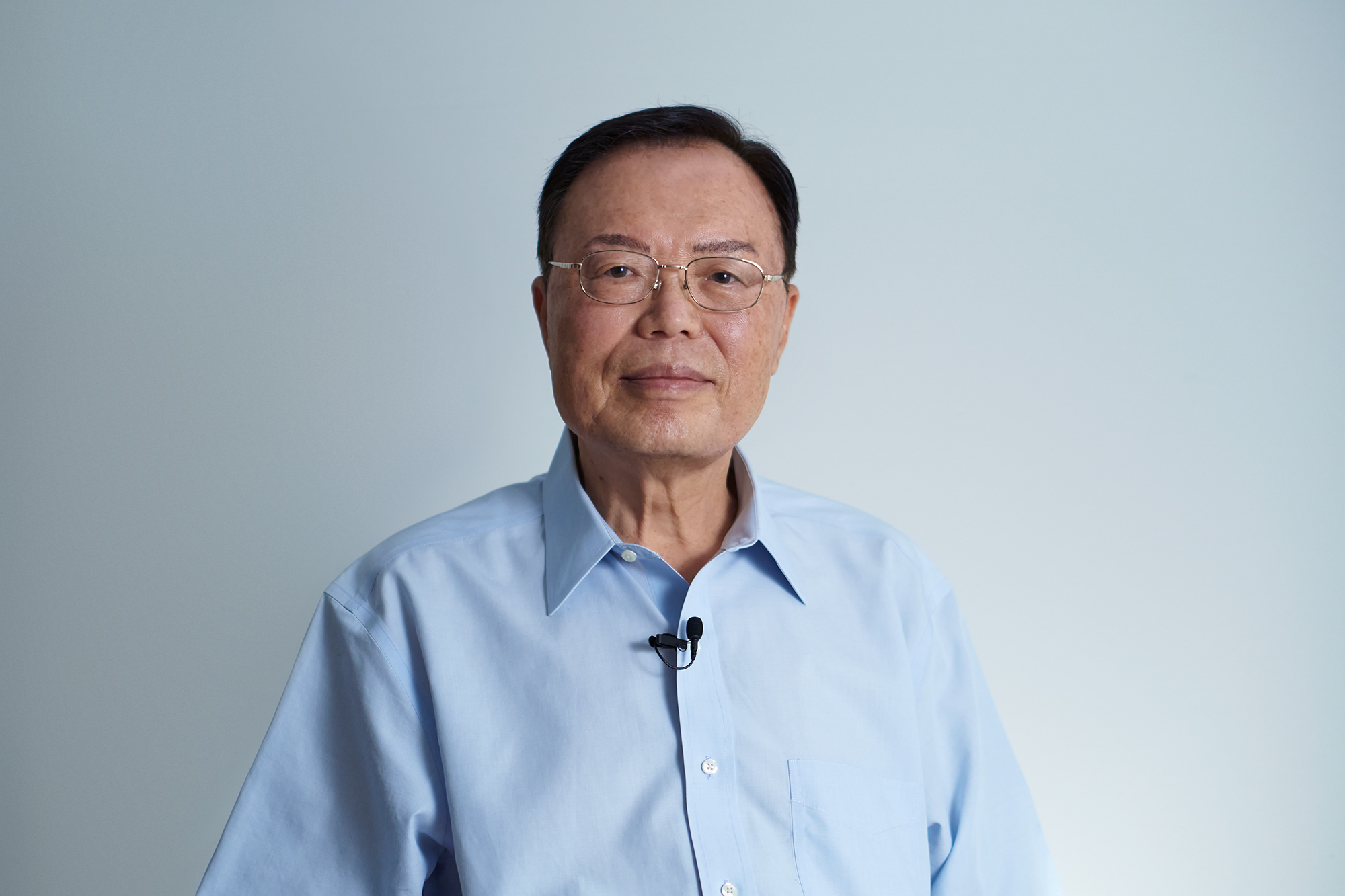













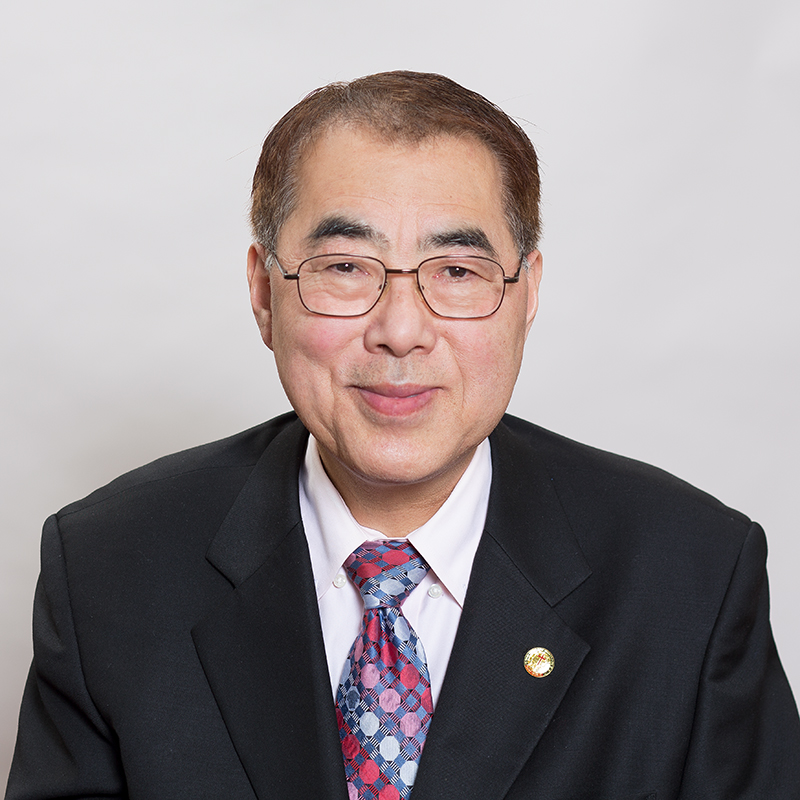










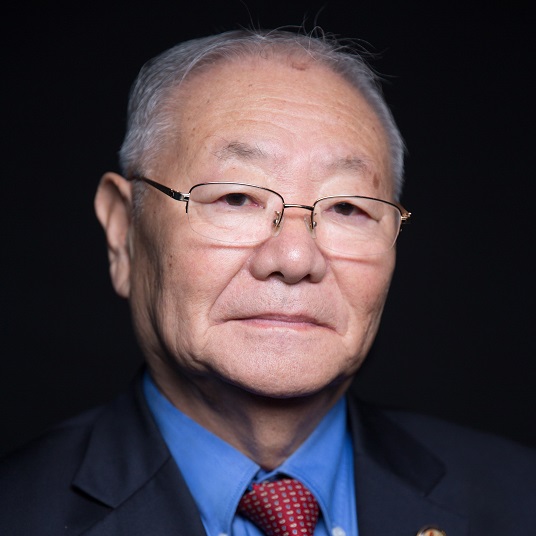














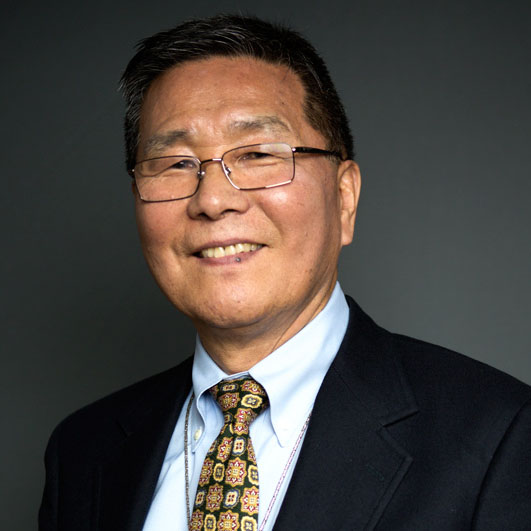


In Whan Rheem
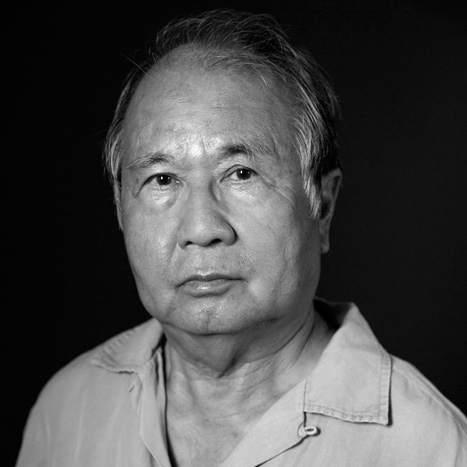
In Whan Rheem was born on November 12th, 1928 near Pyongyang, raised in a pastoral family where faith and education were deeply intertwined. Despite a frail childhood that delayed his start in school, he would go on to study at the prestigious Pyongyang High School before attending college and later seminary, honoring his family’s insistence that he complete his college education before entering the ministry. His early years were shaped by the constraints of Japanese occupation—where the Korean language was relegated to a single weekly lesson—and the profound joy of liberation.
The peace of liberation soon gave way to the terrors of the Korean War as ideological machinations tore the country apart. Rheem suffered the devastating loss of both his father and older brother, who were martyred for their faith; he later discovered his father’s body among the mass burial pits at Yongsan, a sight that solidified his resolve to flee to the south. He recalls his journey as one teetering on the precipice of death: a forty-day walk to Seoul, a perilous ride on the roof of a train to Busan where refugees who tired would fall onto the rails, and a period of near-starvation in Jeju where he eventually found work teaching at a refugee school.
Seeking a life free from the perpetual state of conflict that plagued his homeland, Rheem moved his ministry to Canada, which he says “felt like ‘heaven’ for its promise of food and freedom,” before eventually being sponsored to settle in the United States. Now, reflecting on a journey marked by both martyrdom and mercy, he offers his legacy as a spiritual compass for his descendants, praying that future generations maintain their faith while upholding and cherishing one another.
Special thanks to the American Friends Service Committee and the Korean American Foundation for sponsoring this Legacy Project interview.