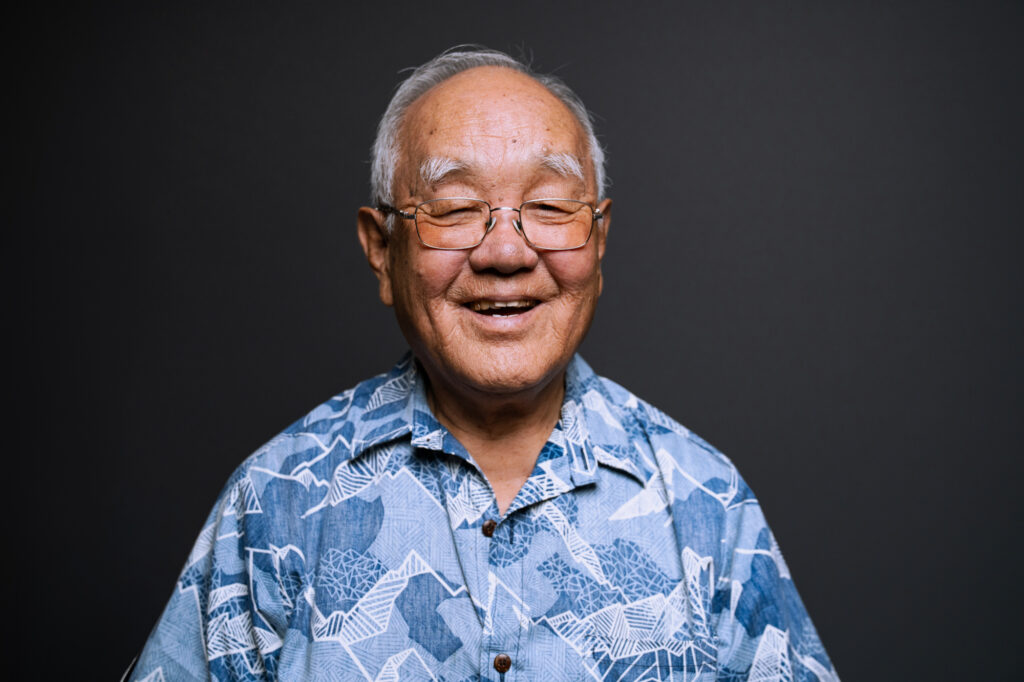


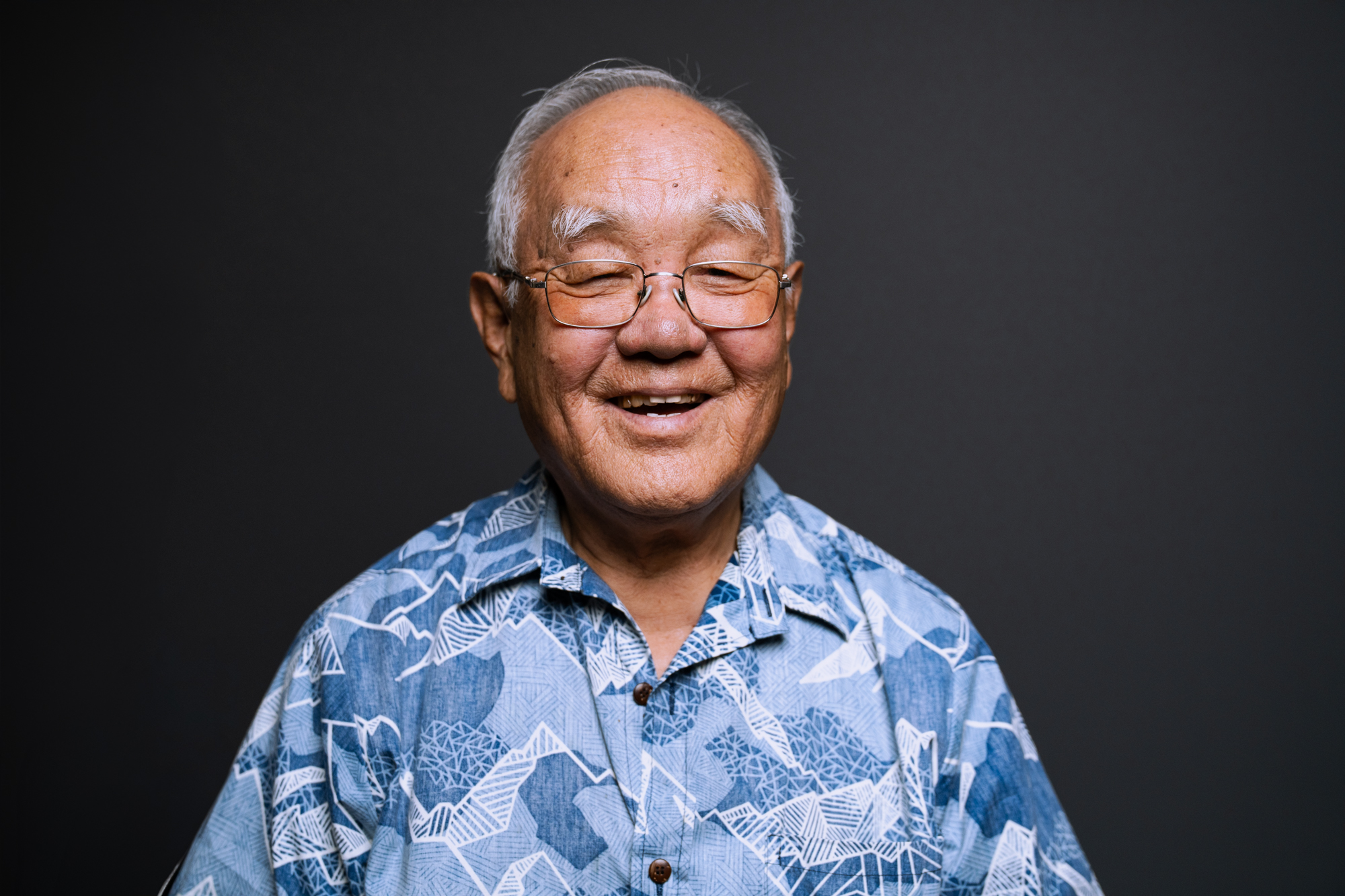







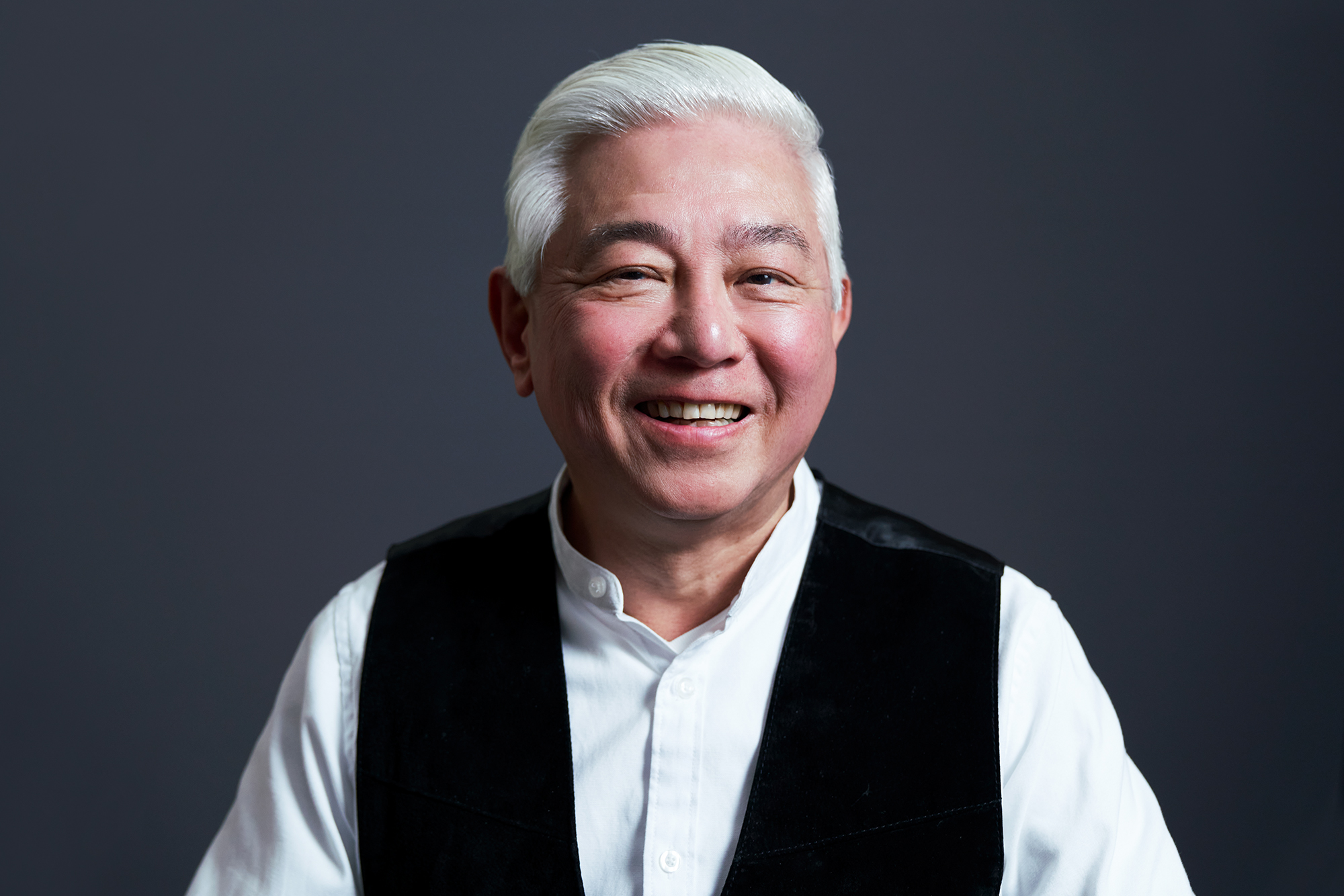




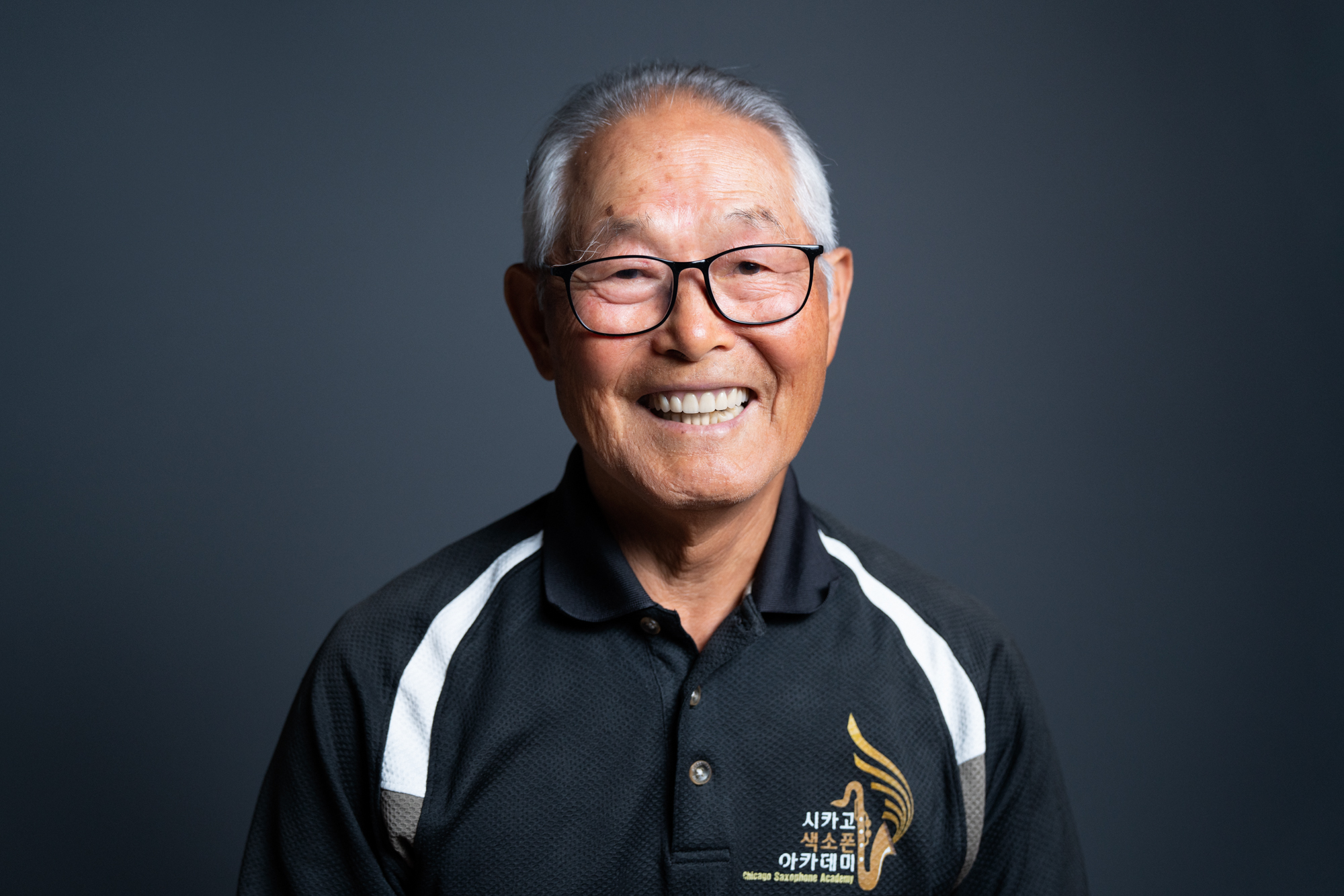


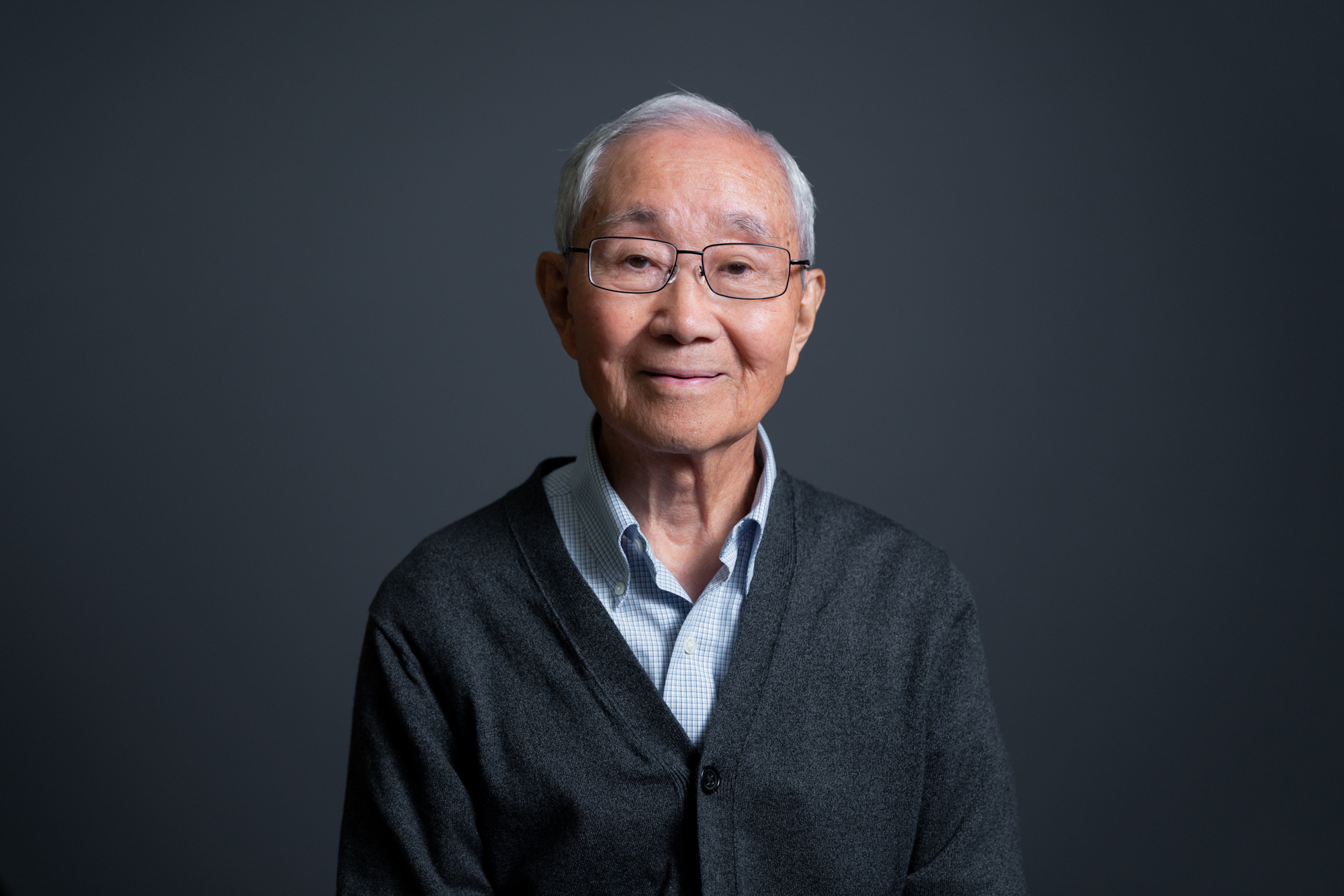







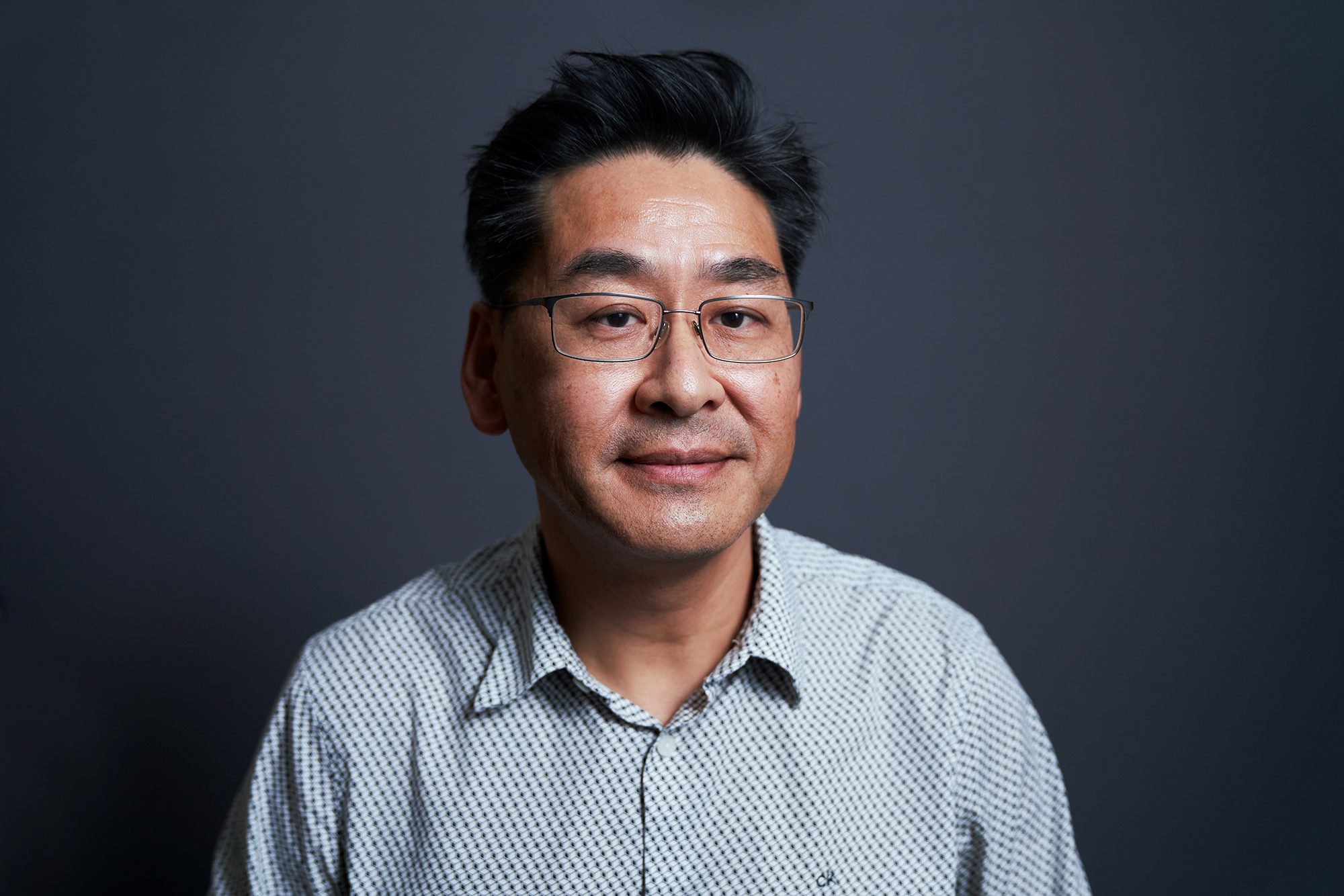








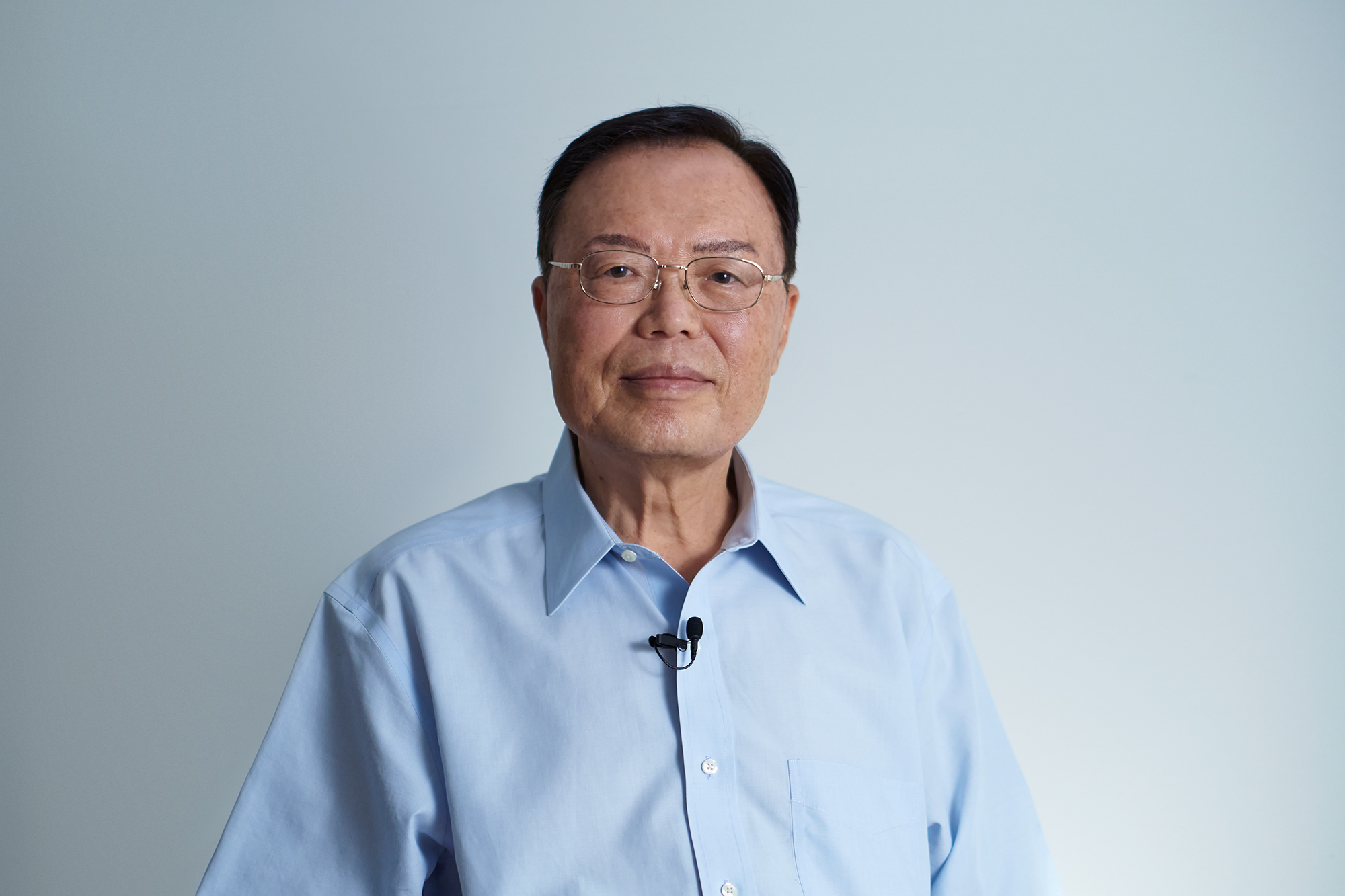












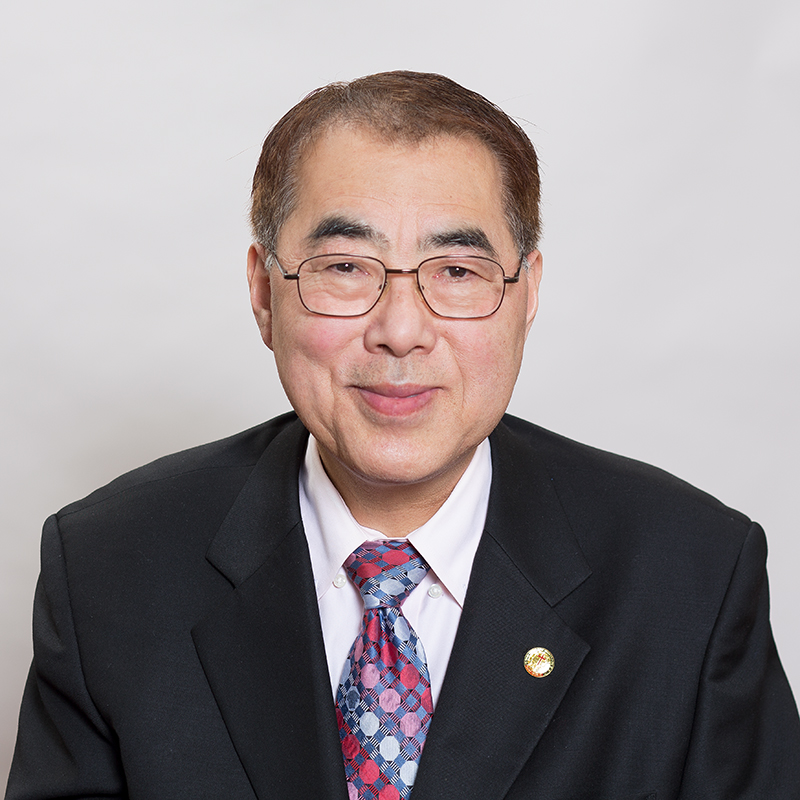








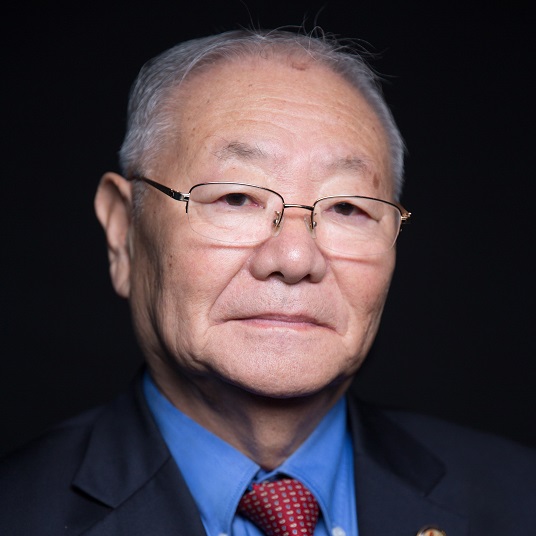







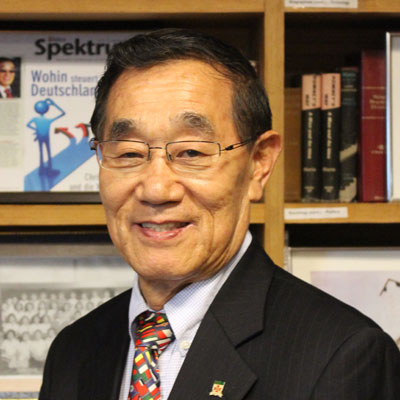


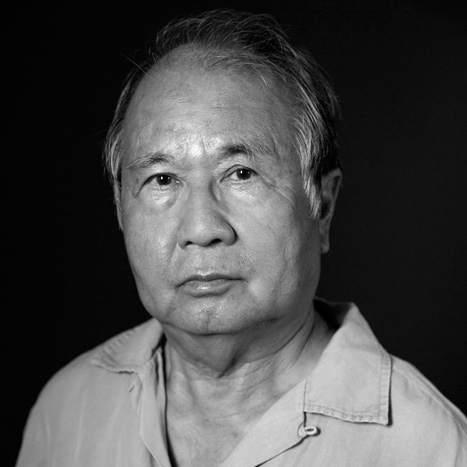


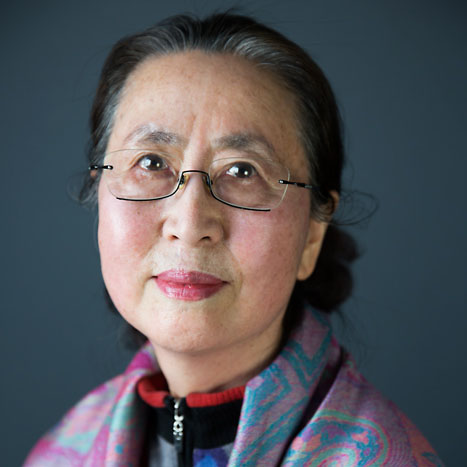


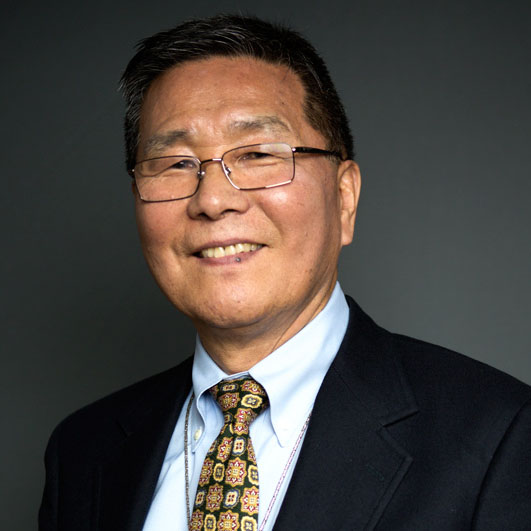


Reverend Chang Soon Lee
Born in Korea during the Japanese occupation, Reverend Chang Soon Lee reflects on a life shaped by faith, displacement, and pastoral care amid the upheavals of colonial rule, war, and migration. Raised between Pyongyang and the countryside, he recalls childhood under Japanese occupation—being punished for speaking Korean at school, forced name changes, and the terror of watching his father arrested by Japanese police during worship. Liberation brought hope, but it was quickly followed by hardship under Soviet occupation and, soon after, the devastation of the Korean War.
In 1971, Lee arrived alone in the United States, intending to study theology before returning to Korea. Instead, an unexpected invitation to remain in Los Angeles altered the course of his life, allowing him to secure permanent residency, reunite his family, and complete advanced theological training at Claremont School of Theology. Ordained in the United Methodist Church, he went on to found and lead a Korean ministry within a multilingual, multiracial congregation, serving for more than two decades.
Deeply shaped by the vulnerabilities of immigrants, Lee’s ministry emphasized social services, advocacy, and encouragement—particularly for those navigating immigration systems, language barriers, and moral judgment.
Special thanks to the American Friends Service Committee and the Korean American Foundation for sponsoring this Legacy Project interview.