Legacy Project
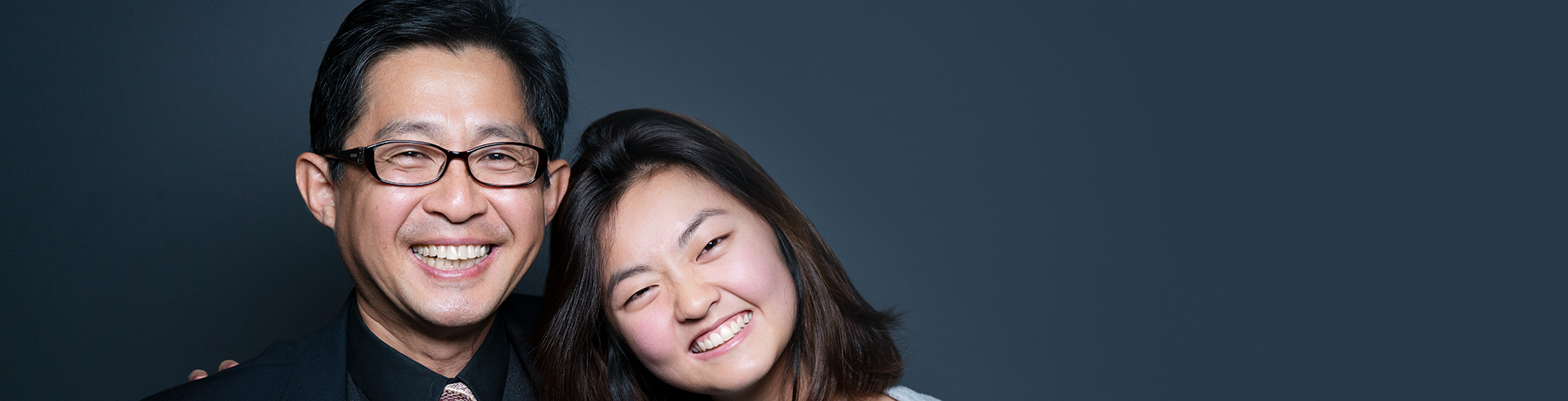
The Legacy Project is an oral history project of KoreanAmericanStory.org. The concept of the Legacy Project is to provide the Korean American community an easy turnkey process to capture the stories of individuals and families through video recordings. All full-length Legacy Project recording will be archived at the Digital Archives at the University of Southern California’s Korean Heritage Library for academic research and to benefit future generations.
Legacy Project Videos

Mandy Hwang
Mandy Hwang was raised in Tulsa, Oklahoma by an American father and Korean mother. She grew up feeling “perfectly half-Korean” thanks to her parents’ efforts to help her feel comfortable in her own skin, especially her father. Mandy moved to Korea with the intention of working in the K-pop industry but after taking a teaching job, she realized this was the career she wanted to pursue. Living and working in Korea has helped her feel more in-tune with her Korean identity and recognize that Korean culture is very different from Korean American culture. For Mandy, being half-Korean is a significant part of her identity and means having the best of both American and Korean culture. She believes that it is important for future generations of Korean Americans to not only be familiar with their Korean heritage, but also to make it their own.

Joshua Hwang
Joshua Hwang was born and raised in Philadelphia as one of five boys in his family. His father was a pastor while his mother ran two dry cleaning businesses. Growing up, Joshua wanted to create an identity for himself as an American. He rebelled from the standard ideas of being a PK, or pastor’s Kid, and tried to avoid the Korean American community as much as possible. His parents eventually saw the recklessness and wanted to find an opportunity for him leave Philadelphia as soon as possible.

Brian Kuh
Brian Kuh was born in South Korea and moved to America at the age of six. He moved around frequently throughout his childhood, which always made him the new Asian student at school. By second grade, he started to realize how much his peers were teasing him and even recalls having rocks thrown at him. Instead of harboring any form of bitterness, Brian just wanted to feel like he belonged and continued to have a lingering feeling of being “in the middle”. With other Koreans, they would say he is too American. With Korean Americans, they would say he was too Korean. Eventually, he realized being between two cultures is a uniqueness not many people have and would allow him to become a bridge connecting two communities.

Joseph Kim
After his family immigrated to America in 1976, Joseph Kim and his brother grew up being one of the only non-white students in their community. Though his parents worked hard to help them fit in, he still endured teasing because of his race and financial status. He recollects when an old teacher at school called him a racial slur–extremely shocked and angry, fourteen-year-old Joseph did not know how to react. Though initially contemplating more extreme action to take his anger out on that adult, he settled on a more peaceful resolution.

Eric McDaniel
Eric McDaniel was adopted at the age of four to a family in Kansas City, Missouri. On the car ride from the airport, his mom opened up a photo album showing four polaroid photos – one of a car, a big house, his Mom and brother smiling, and his bed. Having vivid memories of being abandoned, it finally clicked with him that he was getting a second chance and this was the family he wanted. Eric learned to adjust and quickly understood that fending for himself and fighting fire with fire was not the only way to live. By the time he entered high school, he had lost his Korean identity and became the catalyst to his own racism.
Kesung Anderson
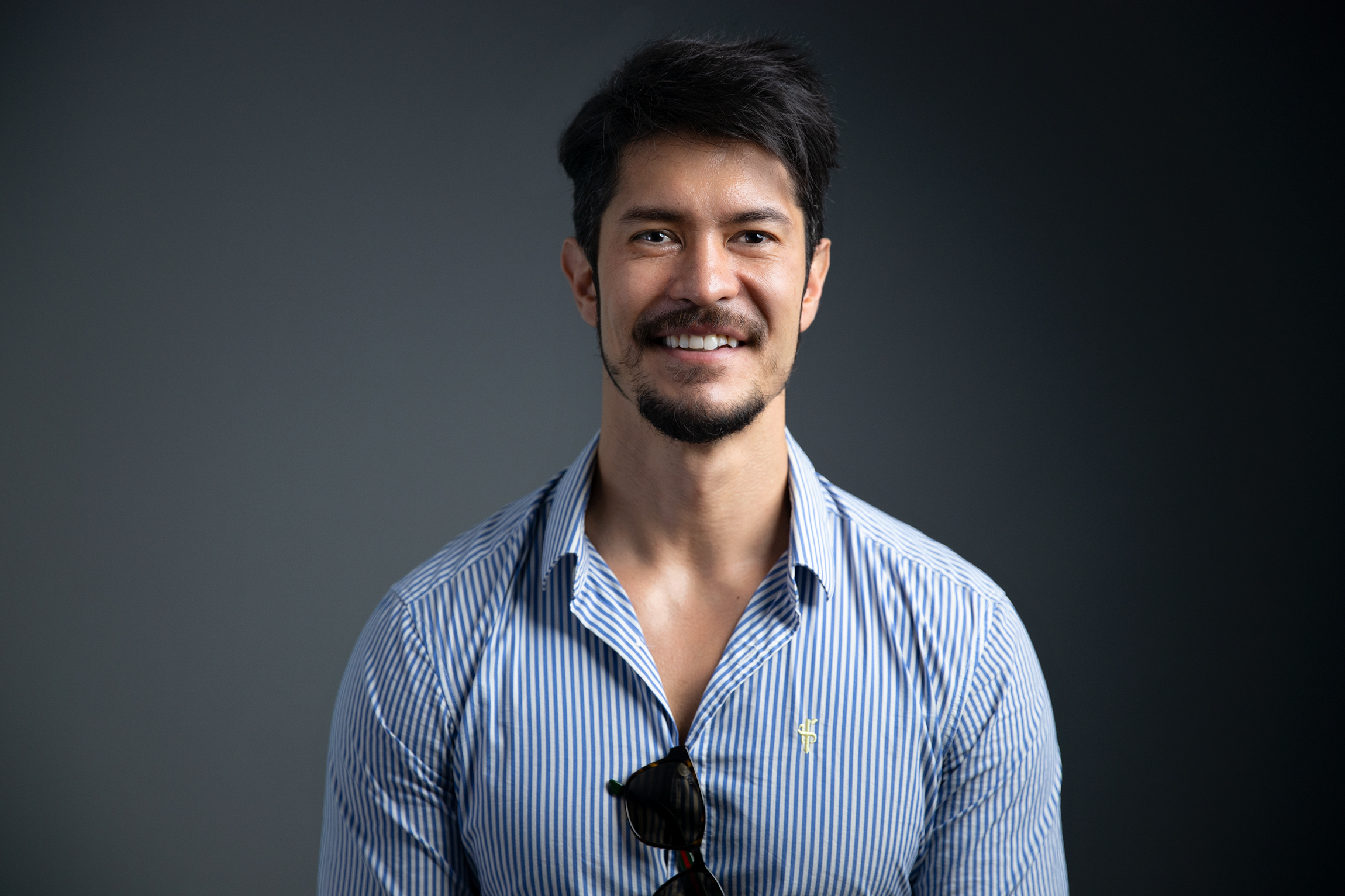
Kesung Anderson was born in Arlington, Virginia, and spent some time in New York before moving to Korea around the age of 5. After completing a few years of school in Korea, his family decided to move to Minnesota to be with his grandparents. As the new kid in middle school, Kesung remembers being picked on and treated like an outcast. He was scrawny, didn’t like to curse like the other kids, and still wore clothing brought from Korea, making him very aware and self-conscious of his differences from his peers. One day, he had the opportunity to participate in the running event at school and surprised everyone when he began to pass his classmates. Kesung was ultimately recruited for the track team and ended up beating the top runner at a sectional meet, thus helping him grow out of his shell and gaining confidence as well as respect from his peers.
Bernie Cho
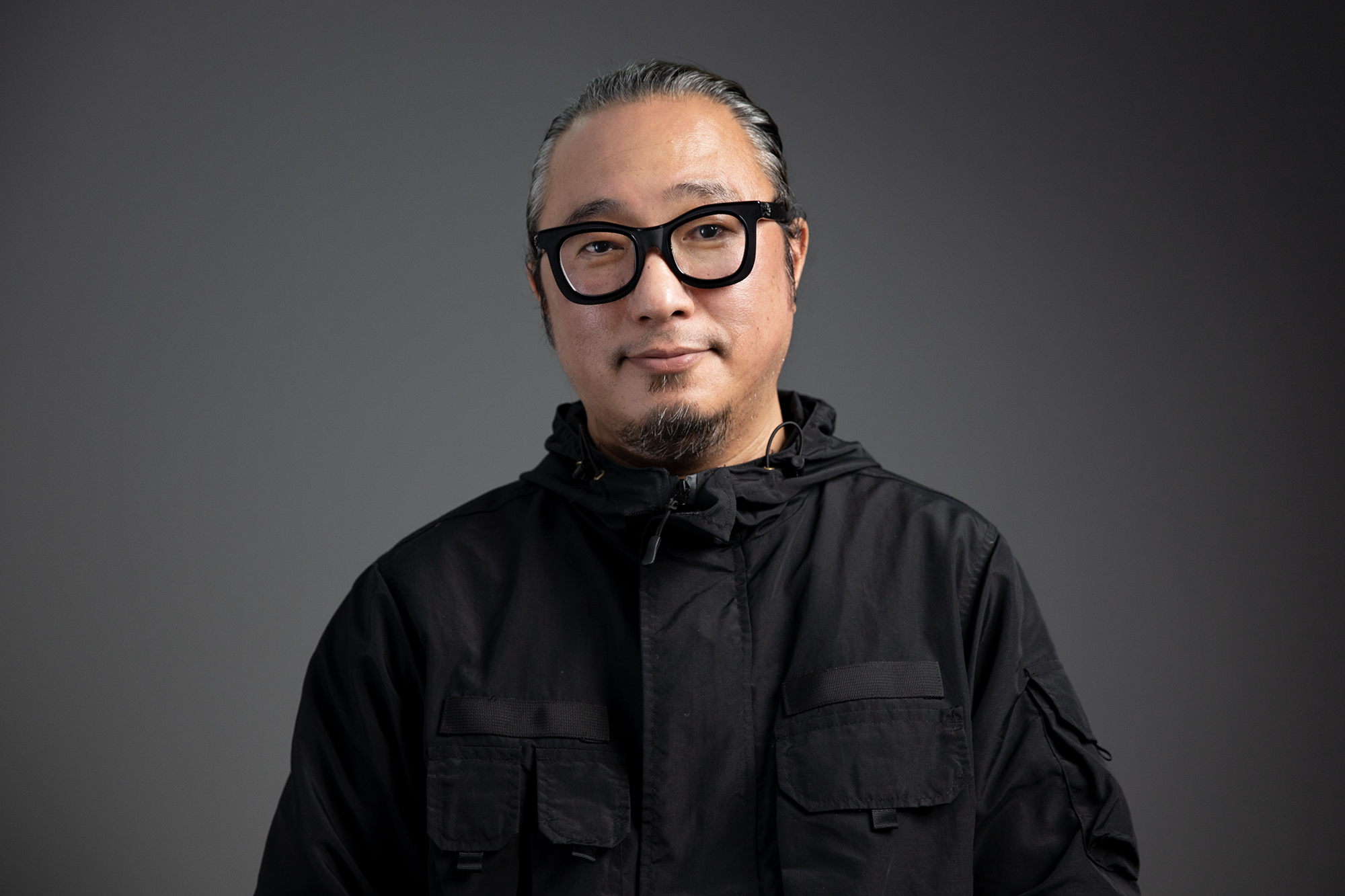
Bernie Cho was born in Pittsburgh, PA and recalls moving around a lot before settling in Jamestown, NY, where both his doctor parents had their practice. During junior high, MTV was on the rise and Bernie became fascinated and obsessed. Living in a small town with very few minorities in his neighborhood, he recognized that there were no Asian VJs, music videos, or acts being represented and oftentimes became frustrated by the stereotypes portrayed in mainstream media.
Jason Lee
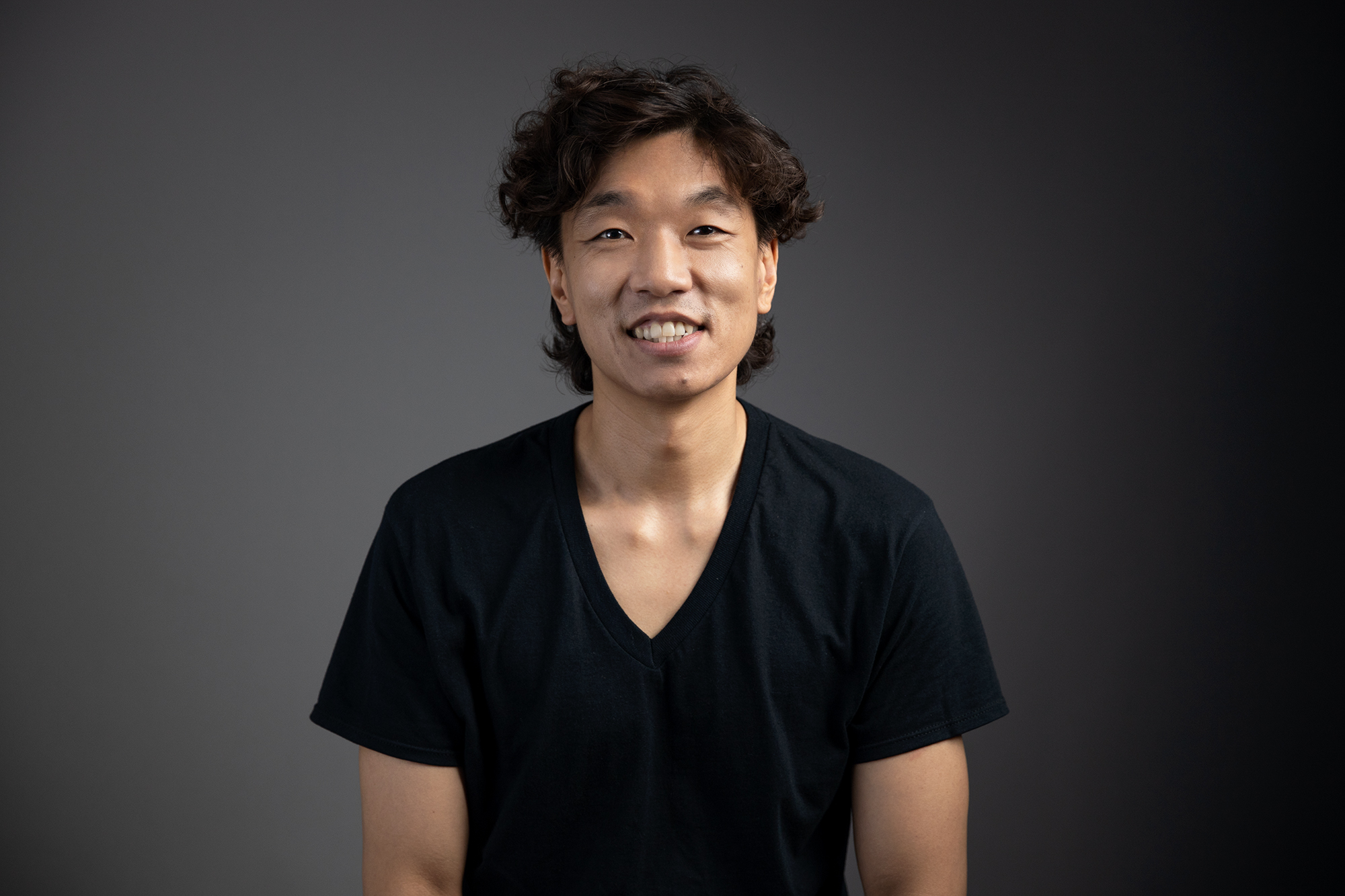
Jason Lee was born in Queens, New York but ended up moving around a lot with his family. He hated dancing because his friends said he didn’t have rhythm and wasn’t born with it – so he believed it to be a genetic thing. While attending college, he had the opportunity to see the Oprah Winfrey Show where they brought a choreographer to teach the basic steps of dancing. He felt inspired and put months of practice into simple choreographies that soon sparked his love for dance and eventually joining a street dance crew in Time Square.

Dr. Jerome Kim
Dr. Jerome Kim is the Director General of the International Vaccine Institute (IVI) in Seoul, South Korea. He is a third generation Korean American and from a family with long established roots in Hawaii. His grandmother was one of the first Koreans to be born in Hawaii and his grandfather was a Hawaiian correspondence and community organizer for the Korean Independence Movement. English was the primary language spoken in his home with his grandparents speaking Korean with each other and recalls being required to learn Japanese from the third to fifth grade.