




Letters to My Hometown: Yun Family
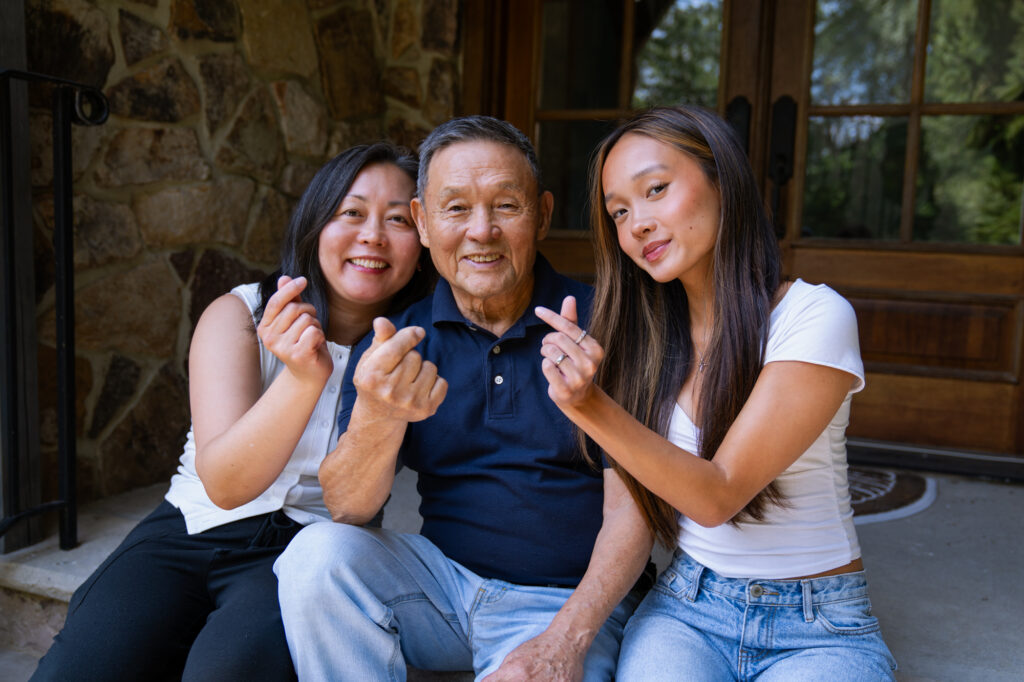
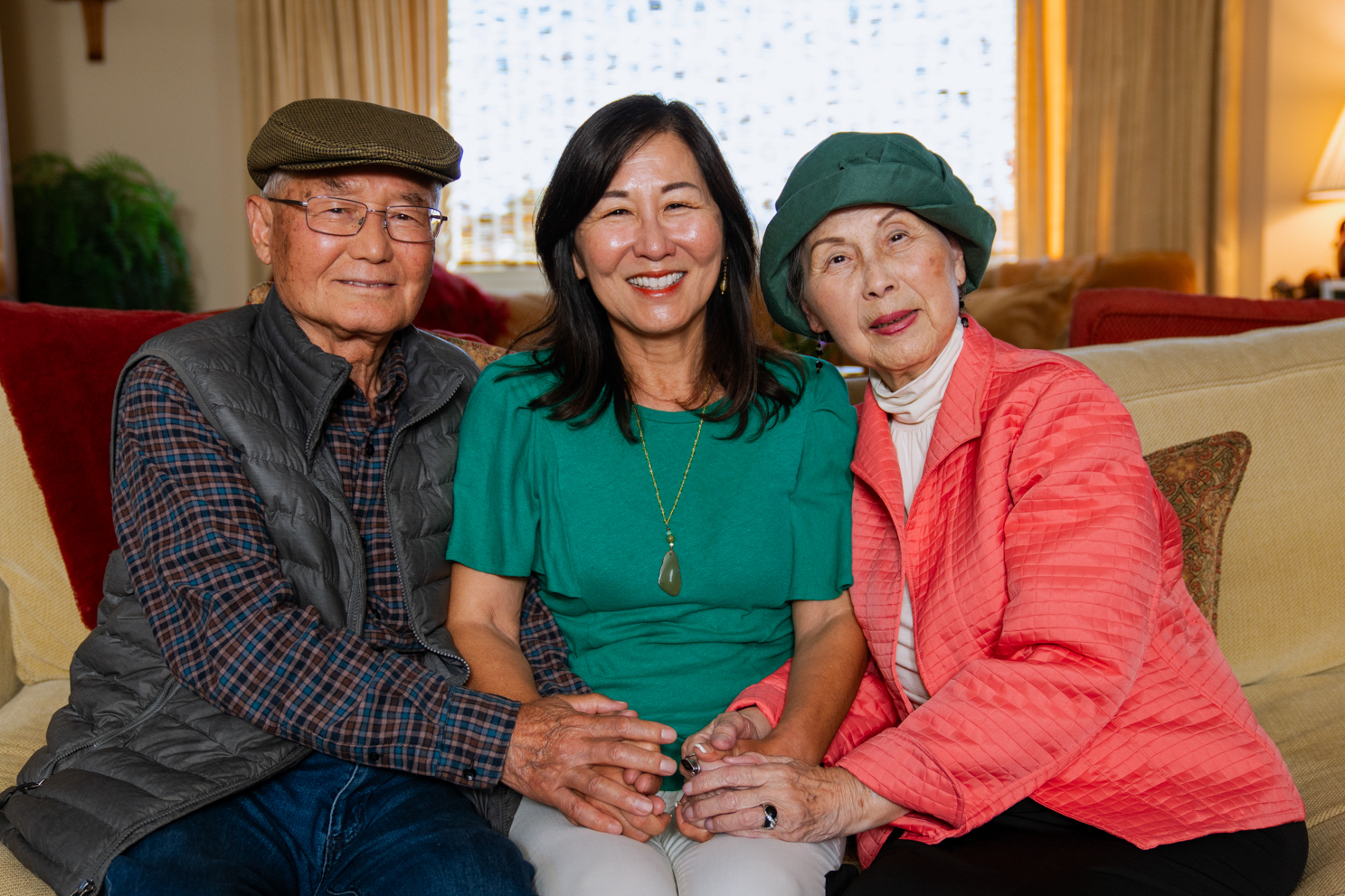
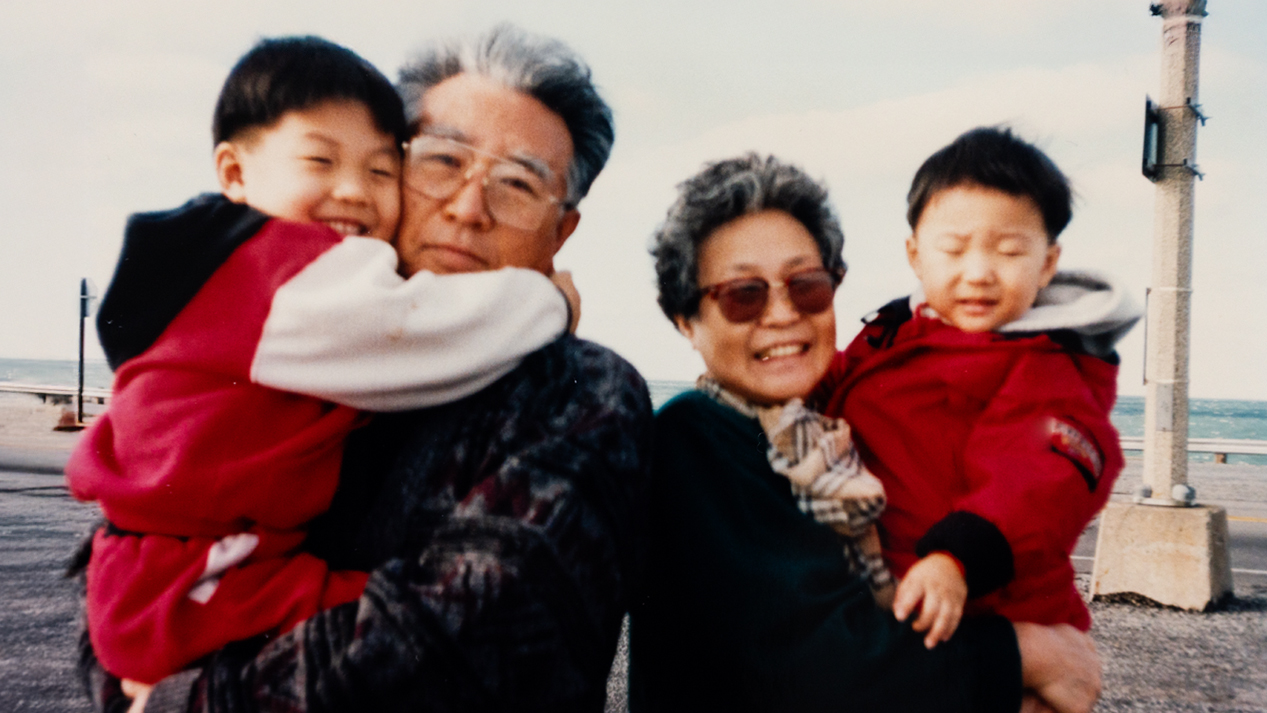
Won Yun is joined in conversation by his daughter-in-law, Cristina, and his granddaughter, Emily, in a reflection on the enduring cost of war and the fragile threads of family connection. Born before the outbreak of the war in North Korea, Won’s childhood in Pyongyang was a landscape of contrast, where the joy of skating on the frozen Daedong River was eventually eclipsed by the nightly raids of the Korean War.
At ten years old, he survived a B-29 bombing by sheltering in a sewer hole; when he emerged, he discovered that those in the neighboring bunker had not survived. During the retreat south, he was tossed alone into a boat to cross the river, refusing to move from the far bank until the boatman returned for his father and brother.
Yet the victory of their escape was shadowed by the sisters left behind—a separation that left his parents in a state of lifelong mourning. Decades later, Won traveled back to the North for a brief, shadowed reunion in a motel room monitored by hidden cameras. Forbidden from speaking freely, he and his sisters communicated through handwritten notes to bridge the decades of separation, asking in secret if they still held to their father’s faith and the shared memories of their youth.
After flushing those fragile testimonies to protect their safety, Won returned home with a story he now preserves as a “time capsule” for future generations. Now 84, he offers his journey as an urgent prayer that his grandchildren might live in a world where peace is a permanent reality.
The 75 years of division and conflict from the Korean War have not only affected the first generation, who still long for their hometowns in North Korea, but also younger generations who have no memories of the conflict, yet many of whom have inherited the weight of uncertainty and the mission of searching for missing relatives.
This iteration of Letters to My Hometown invites audiences to listen and reflect upon intergenerational conversations of the Korean American community whose divided families have sustained the traumas of their homeland’s partition. Generously supported by American Friends Service Committee (@afsc_org), these conversations aim to take steps toward transforming the intergenerational traumas of the Korean War into opportunities for collective remembering, learning, and healing.