Legacy Project

The Legacy Project is an oral history project of KoreanAmericanStory.org. The concept of the Legacy Project is to provide the Korean American community an easy turnkey process to capture the stories of individuals and families through video recordings. All full-length Legacy Project recording will be archived at the Digital Archives at the University of Southern California’s Korean Heritage Library for academic research and to benefit future generations.
Legacy Project Videos

Kat Ley
Kat Ley was born in South Korea and was adopted when she was 7 months old. Before becoming a counselor at Sejong Camp, Kat attended as a camper for much of her childhood. Sejong Camp is simultaneously a place where she can escape the label of being “Korean” and be treated as herself. As a Korean American adoptee, she does not search to find the perfect label or identity for herself. Instead, she believes that her actions in the moment speak for who she is as a person. She has found peace in being able to embrace her Korean Americanness, while also believing that her true identity is defined by how she lives her everyday life.

Tommy Lee
Tommy Lee was born in Ann Arbor, Michigan and moved around quite a bit within the Maryland and Virginia area to stay near his mother’s side of the family after his parents divorce. In this special Legacy Project series, Tommy examines the relationship he had with his parents since their divorce, his passions, his identity, his future, and what Camp Sejong means to him.
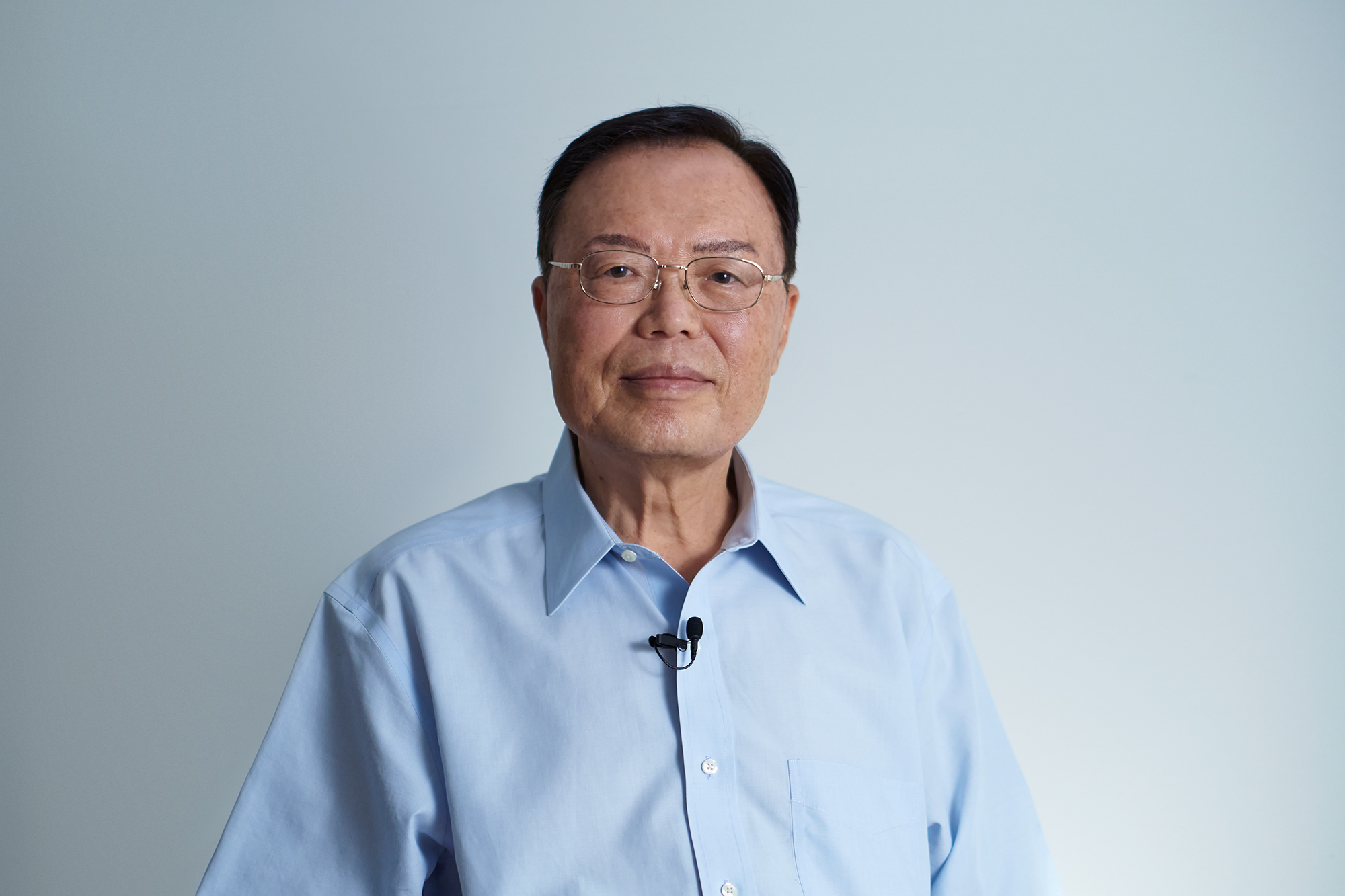
Dr. Doug Hong
Dr. Doug Hong was born in Korea in 1941. By the time he was 9 years old, the Korean War had begun. He recalls being faced with extreme hunger that he caught insects like cicadas and flies to eat. As he was fleeing south with his family towards Seoul, bombs destroyed bridges causing them to seek refuge in a mountain in the outskirts of Seoul. His dad and uncle hid in a cave to make sure they wouldn’t be caught and forced to join the North Korean army, while the rest of his family found shelter nearby. Three months went by and UN troops reclaimed Seoul. Dr. Hong still remembers the horrid sights that laid in front of his eyes on his walk back home.

Cory Lemke
Cory Lemke was born in Jeonju, South Korea and adopted to the United States when he was six months old. He was raised in a small rural town in Northern Iowa and grew up identifying more with White people. When his family moved to Tucson, Arizona, his racial identity was challenged by the people around him. He encountered much more obvious racism in Arizona compared to Iowa and began to realize the environment around him was not a healthy one.

Seonwoong Hwang
Seonwoong Hwang was born and raised in South Korea into a pastor’s family. From a young age, he realized the injustices in society and set a clear path for himself to pursue politics. As he reached his 20s, he felt a need to reset and took a new path and studied theology in college. Though his goal was to enact change in the world, Mr. Hwang wants to make that change through whatever God’s calling for him may be.

Madison Jay
Madison Jay was born in Korea in 1995 and was adopted to Arizona to a two-parent household with an older brother, who is also a Korean adoptee. Her parents were never shy in exposing her and her brother to Korean culture and read them books about adoption or Korean American identity as well as sending them to Korean heritage camp. As she went through high school and college, people knew her as the adoptee and would question her Koreanness. She didn’t speak the language, eat Korean food, or even know the latest K-Pop band causing her understanding of beauty and self to become unclear.

Chris Packard
Chris Packard was born and raised in Toledo, Ohio to a Korean mother and American father. He recalls growing up with a true rural Midwestern life filled with baseball and bicycle rides but also vivid memories of helping his mother run her small businesses – something he considers a defining part in his childhood.

Faith Kim
Faith Kim was born and raised in Deerfield, Illinois. She went to a predominantly white school, and struggled with the concept of being both Korean and American. She began to connect with her heritage in middle school when she began watching K-dramas with her mother and learning Korean through Rosetta Stone.

Greg Norrish
Greg Norrish was born in Seoul, South Korea in 1986 and was adopted to Northeastern CT when he was about 3 months old. Throughout his childhood, he distinctly remember being perpetually aware of his differences. By the age of 18, he began to process his identity in multiple ways and continued until he was nearing his late twenties, which was when he chose to come to Korea. Greg had no idea of what he was hoping for when he came to Korea. To a certain degree, he wanted to find a purpose while trying to live out the inflated dreams he made throughout his childhood but he was also feeling pressured because he told people back home his decision was to explore his Korean roots. After living in Korea for four years, he stopped worrying about his adoption because he found himself being able to feel comfortable in his own skin and living life through work and meeting people who embraced him as he is. As Greg continues life in Korea, he hopes to continue to process and explore his identity through each moment that comes naturally in his everyday life.