Legacy Project
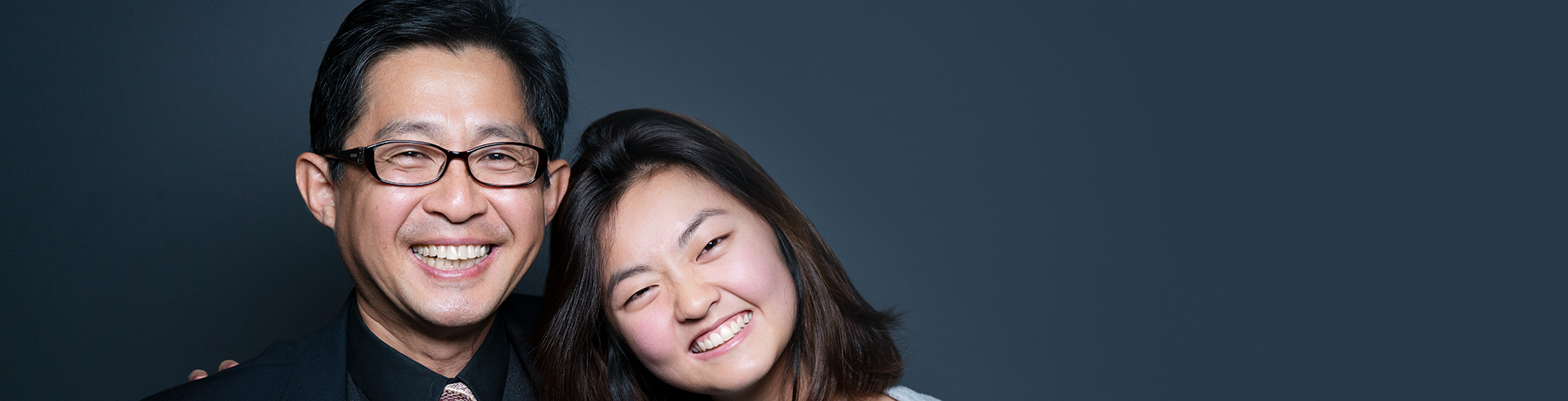
The Legacy Project is an oral history project of KoreanAmericanStory.org. The concept of the Legacy Project is to provide the Korean American community an easy turnkey process to capture the stories of individuals and families through video recordings. All full-length Legacy Project recording will be archived at the Digital Archives at the University of Southern California’s Korean Heritage Library for academic research and to benefit future generations.
Legacy Project Videos

Jung Koo Kang
Jung Koo Kang has been in Los Angeles, California for about 45 years. He began working in a sewing factory and later opened up his own factory. Mr. Kang and his wife worked incredibly for their business that the landlord noticed and asked Mr. Kang to take on three of his ten wholesale stores in the Garment District in order to help him further succeed as a young business owner. As Mr. Kang was heading back home from work one evening, he heard on the radio that riots had begun in South LA and were moving up to Koreatown. By the time he got home, the news was already broadcasting that the riots had reached Olympic Blvd.

Ashley Baik
Ashley Baik was born and raised in Nashville, Tennessee. Growing up, Ashley had a hard time navigating between her Korean and American identities but was able to find support through her church youth group. She soon saw the importance of the two cultures and realized how much her parents had struggled when they came to a new country. In this Legacy Project video, Ashley reflects on her faith and identity and gives gratitude for her parents’ sacrifices.

Mark Wilson
Mark Wilson was born in Seoul, South Korea, and adopted to a small suburban town in Philadelphia at nine months old. He grew up in a two-parent household with a brother who is ten years older and was domestically adopted. Upon entering college, Mark was still trying to find where he belonged. At times he would walk by the table of Korean students in the cafeteria but never felt connected with them. Having housemates involved in exchange programs, he ended up meeting the Korean students at a house party and became close friends with them. They invited him to their gatherings and even talked to him about going back to visit Korea.
Najung Hiatt
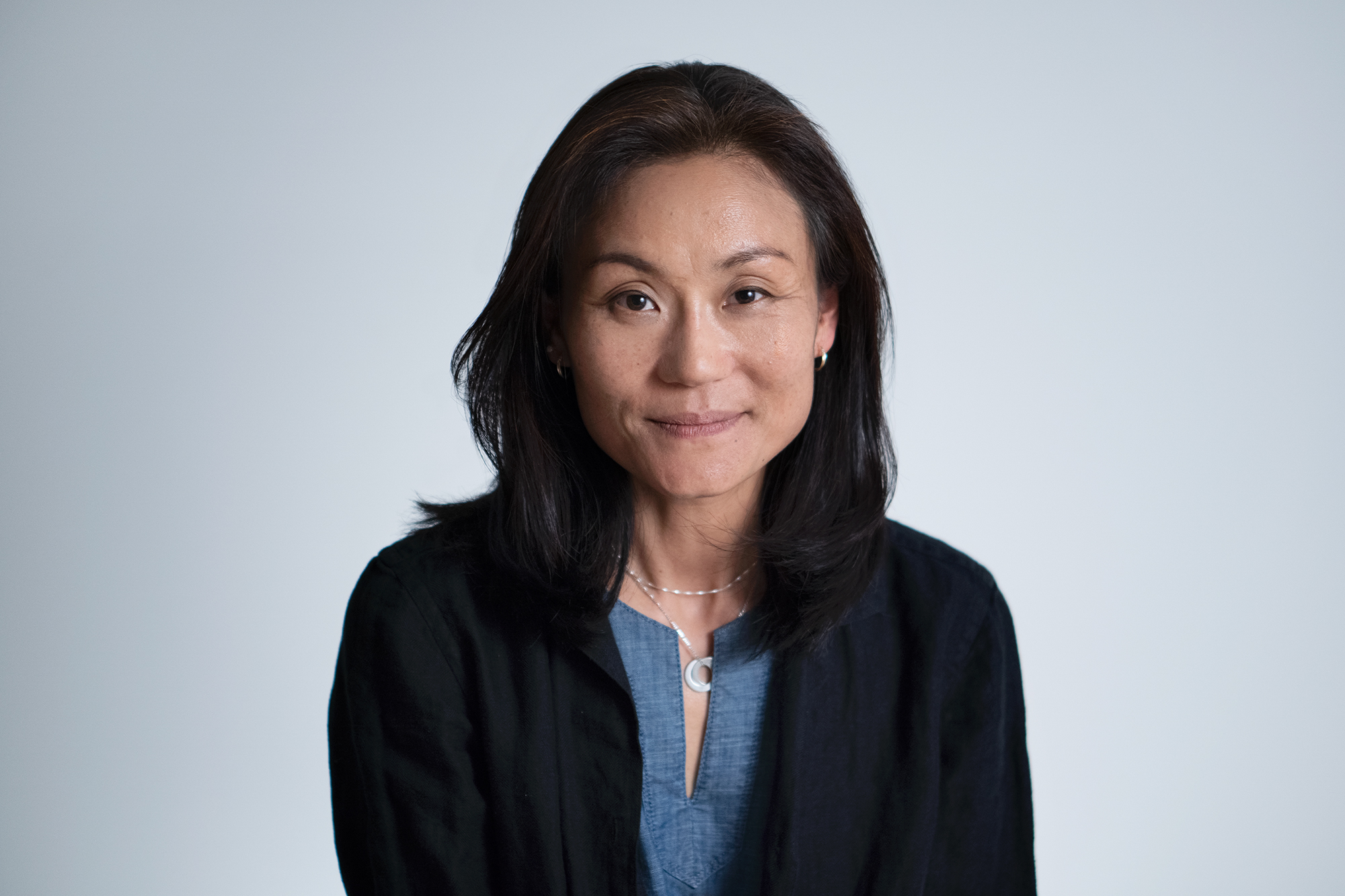
Najung Hiatt was born and raised in South Korea, and moved to America as a university student seeking to continue her education. She met her husband, who is not Korean, and decided to stay in America to raise a family and pursue her dream of becoming an educator. In this remote edition of Legacy Project, Najung shares how she raised her children to be proud of their Korean heritage and that they should never forget the value of being connected to their roots. She hopes the Korean American community will find their own ways to keep in touch with its cultural heritage, so that it doesn’t slip away.

Sarah Williams
Sarah Williams was born in South Korea and adopted to the U.S. at nine months old into a Christian household. Growing up, she would always go to church, attend Sunday school, and read the Bible. When she was eight or nine years old, she read the story of Tamar in the Bible and saw her life being reflected right at her. A family member was sexually abusing her. Disclosing the abuse to the family meant it would disrupt the family dynamic – something she couldn’t do because she felt indebted to her family for adopting her. So she remained silent.

Eunbi Kim
Eunbi Kim is a concert pianist born in Seoul, South Korea, and raised in Maryland. At 19 years old, she was working in retail and met an executive at a major tech company who offered her a mentorship opportunity for a scholarship at his company. After a few interactions, she began to increasingly feel uncomfortable with the way he acted at their meetings. Eunbi expressed her boundaries and chose to remove all forms of communication yet he continued to reach out and leave voicemails blaming her for her actions. It even got to the point where he filed complaints to the police that she was the one threatening and harassing him. With the support of her father, they made a report to his company and launched an internal investigation against him. He continued to deny all accusations and shifted the blame onto Eunbi.

Hyeseung Yoo
Hyeseung Yoo was born in Seoul, South Korea, and currently works as a domestic violence social worker. In 2015, she was sexually assaulted by someone she thought she could trust. Hyeseung never went to the authorities or the hospital because, at the time, she believed it could affect her family’s visa status. In this installment of Legacy Project #MeToo, Hyeseung speaks about generational traumas and increasing openness to share and listen to survivors in the Korean American community. She wants other survivors to know that they are not alone and that there is a safe space for them to talk about their experiences.
Cecelia Lim
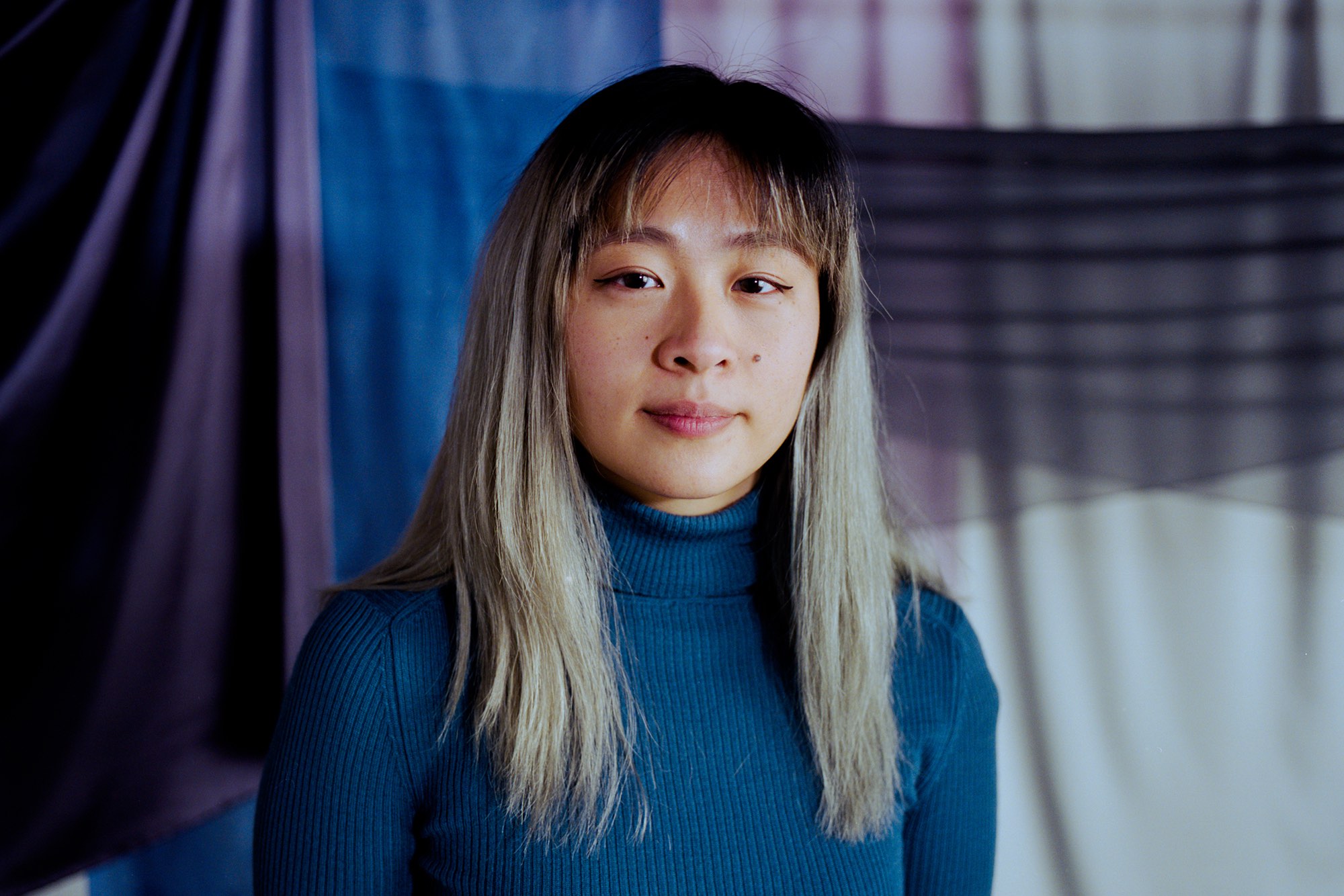
At 12 and 13 years old, Cecelia loved being involved in her middle school choir and looked up to her teacher. One day, she realized her teacher was doing things that seemed inappropriate and tried to get close to her in ways a student and teacher shouldn’t. She addressed what was happening, but the school couldn’t find any students or hard evidence to support her claim. Nobody believed her and thought she was just out to get him, so she internalized all of her emotions because she feared being shamed by others. Her PTSD symptoms continued to grow when she entered college, ultimately leading to a breakdown in class. With the affirmation and support from the professor, Cecelia was able to get the help she needed.

Seo-Young Chu
Seo-Young Chu was 22 years old when a powerful and beloved English professor sexually assaulted her at Stanford University. Although he was punished, she shares that the university continues to conceal the abuse by allowing awards and a library to exist in his name. Today, Seo Young still wrestles with her inner model minority voice telling her to tolerate what had happened. By participating in this series, she hopes future generations feel empowered to share their stories without shame or stigma and also recognize that there are Korean American voices in the #MeToo movement.