Legacy Project
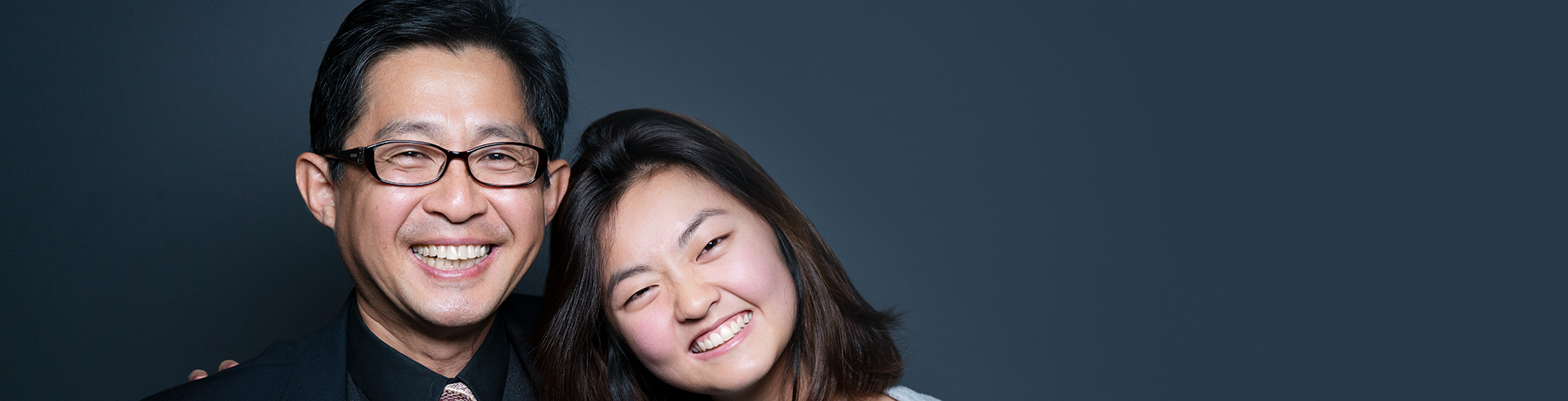
The Legacy Project is an oral history project of KoreanAmericanStory.org. The concept of the Legacy Project is to provide the Korean American community an easy turnkey process to capture the stories of individuals and families through video recordings. All full-length Legacy Project recording will be archived at the Digital Archives at the University of Southern California’s Korean Heritage Library for academic research and to benefit future generations.
Legacy Project Videos

Jim Lee
Jim Lee, 61-years old and born in Namsan, South Korea, shares a story firmly rooted in his dedication to family, a story which begins in college when a mutual friend set him up on a blind date with Celeste, his future wife. Coming from two very different backgrounds, Lee was initially unsure of Celeste’s feelings, but their shared values and deep connection proved that the pair would make for a formidable couple grounded in each other as they navigated through life’s joys and hardships. A significant challenge arose with their son, Matthew, who faced health challenges from birth yet overcame them through the family’s perseverance and optimism in sourcing him the support he needed to thrive; today, Matthew leads a vibrant life, having proved those skeptical of his health wrong. Kim recounts how their daughter, inspired by Celeste’s compassion and dedication to Matthew’s well-being, would pursue a career in speech pathology, working as an advocate for children with special needs. Lee emphasizes the importance of giving back, the day-to-day gratitude, and the lasting peace he’s found in family life as he tells his narrative, encapsulating the resilience and enduring love of a Korean American family marked by struggle and triumph.

Paul Kim
Paul Kim was born in Seoul and immigrated to the United States in 1996. His family settled in St. Paul, Minnesota, fulfilling his father’s dream of moving to America. When Paul entered middle school, the family moved from St. Paul to the surrounding suburbs, which Paul recounts as having much better schools than the city, albeit being much less diverse than the city itself. Education was of utmost importance in the Kim family, and Paul chased what he believed was, at the time, the natural pipeline that was getting good grades, getting into college, and landing a high-paying job. Paul graduated from university convinced he wanted to become a businessman, so he moved to Chicago to work as a trader. After two years in Chicago, he relocated to Portland, where he worked as the only Asian worker at his workplace, to trade grain with Asia. While in Oregon, he received an offer from a different firm in Chicago, but it wasn’t until after he moved back to the Midwest that he learned his offer had been reneged. He eventually found work again as a trader but was compelled through his faith to find a higher calling in philanthropy. In partnership with a church in South Korea, Paul leveraged the skills he’d gained in industry to buy grain and ship it to North Korea, over time expanding the type and scale of the humanitarian efforts he found himself involved in.
Jinwoo Chung
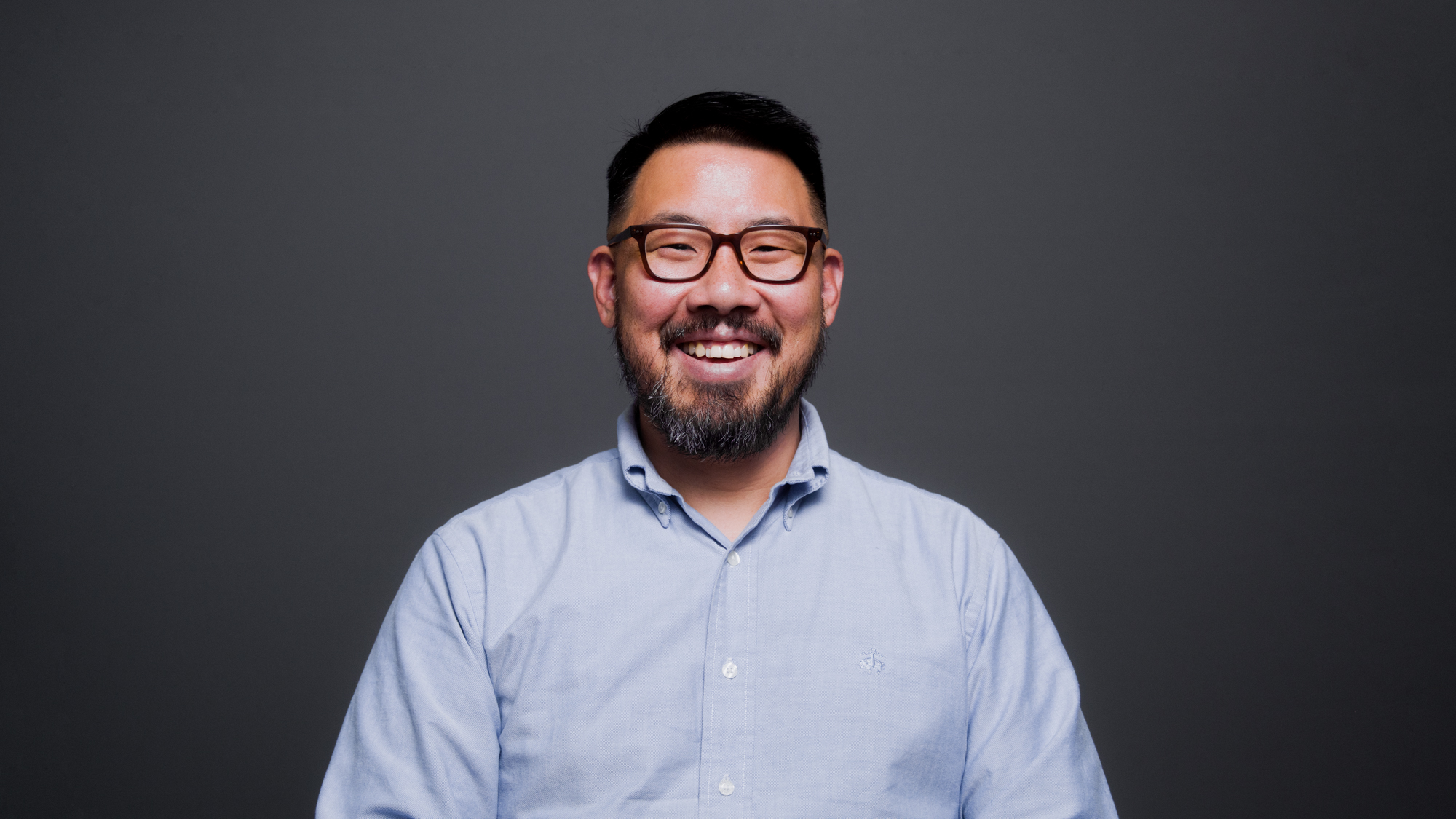
Jinwoo Chung was born Montgomery County, Maryland, to parents who immigrated to the Rockville area from Korea. Holding a strong conviction to help others, Jinwoo studied psychology in college and eventually found work as a case manager and counselor for a boys group home. He recounts how, in forging relationships with youth who had experienced deep familial trauma, his perspective on family-building was deeply impacted. After navigating the emotional journey of fertility treatments with his wife, the family began to look into the process of adoption, a decision spurred by the couple’s unwavering belief in the power of familial love, irrespective of biological ties. When they matched with a birth mother through an adoption agency in Maryland, Jinwoo describes feeling initial anxiety about how his community would receive the family’s adoption of a child who would not present as Korean, but that this fear was quickly dispelled. He recognizes the fears and doubts that come with parenthood, especially through adoption, yet remains steadfast in his belief that every child deserves to be known and loved, through it all guided by his devotion to faith and family.
Michael Jhin
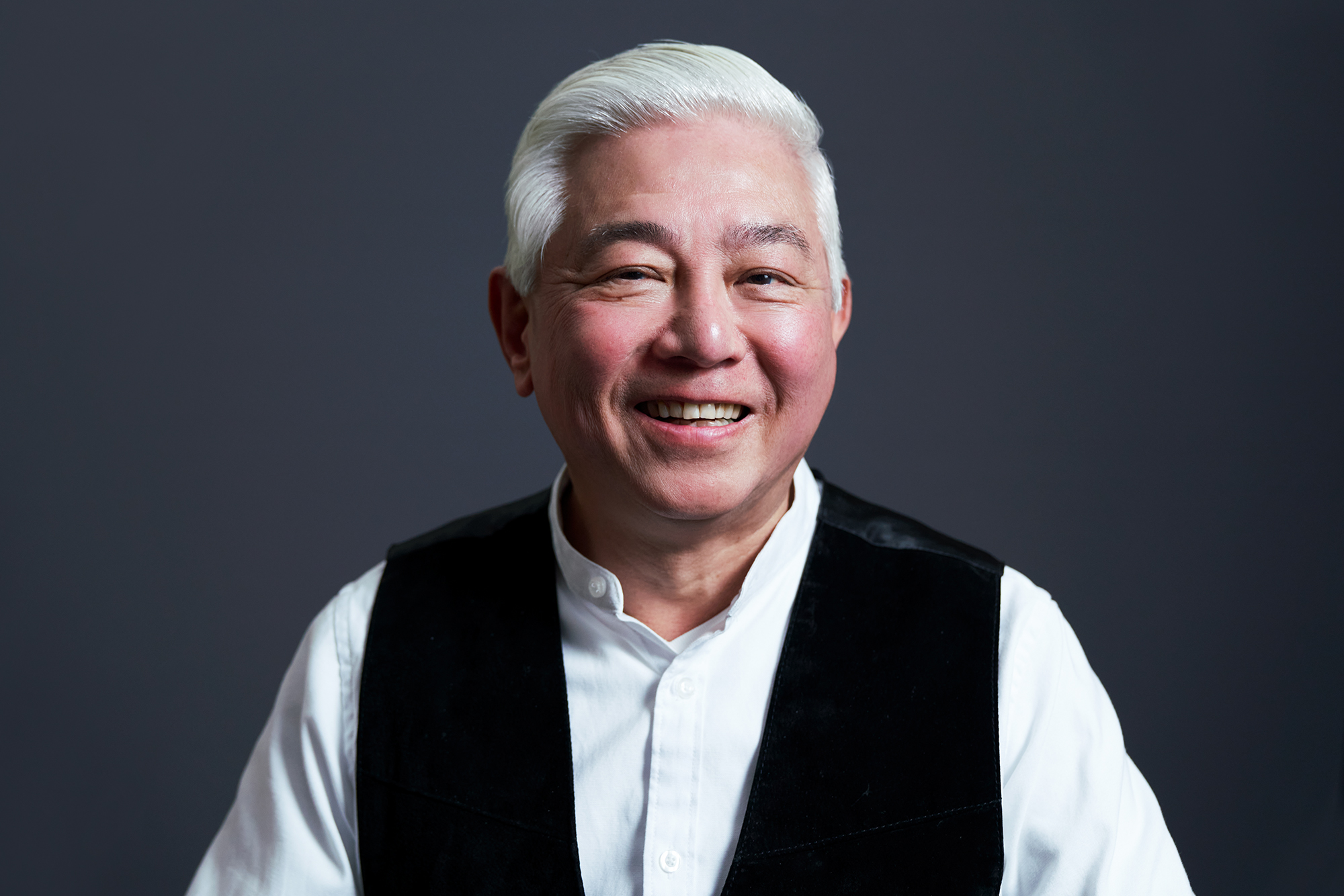
Michael Jhin was born in Hong Kong in 1950 to a Chinese mother and a Korean father. His early years were marked by his father’s harrowing experiences in the Korean War, including being captured by the Chinese army and a daring escape back to Hong Kong, where his mother supported the family with her dress shops. Moving to the US in 1958, Michael faced the challenges of settling in a rough Brooklyn neighborhood. Later in his adulthood, his ambitions led him to become the youngest CEO of a university hospital, a role in which he embraced his identity not just as a blend of Chinese and Korean heritage but as a proficient CEO committed to utilizing community resources for the betterment of others. For Michael, who has lived in Houston for the past 33 years with his wife Susan and their three children, professional achievement defines his identity, showcasing how individual success can transcend cultural boundaries.

Dae-Duck Cha
Born in Hongcheong-un of the Gangwon province, Dae Duck Cha was forced to flee to Seoul at age 6 due to the Korean War. His father led a March First Demonstration in 1919 in his hometown and this passion of his was handed down directly to Cha. Growing up amidst the war was rough for Cha, he had a hard time keeping up with academics due to frequently moving around and living with his older sisters. Through this period, drawing became his solace, leading him to pursue art at Hongik University and eventually join the Peace Corps as an artist which brought him to the United States. He continued to go through many more changes and relocations in his life until eventually settling in Houston. Recognition and fame within the Houston Korean Community came slowly, with his artworks showcased in galleries of others and also his own. Cha’s story reminds us of the importance of being passionate and pursuing our dreams no matter what comes our way.

Dr. Sam Jae Cho
Dr. Sam Jae Cho was born in Seoul in 1949, just a year before the War broke out. When he was just a year old, his family fled to Daegu, where he resided until he returned to Seoul to study at university. He details the trajectory of his academic career, starting as an undergraduate at SNU studying Mineral and Petroleum Engineering, to completing a PhD at UT Austin after receiving a government scholarship. After finishing his studies, Dr. Cho sought to return to Korea but upon feeling that the position he was offered wasn’t a right fit, he made the critical decision to remain in the United States choosing instead to work at energy companies where the efforts of his dissertation could be better realized. Even still, wanting to contribute to the advancements in energy technology for his home country, Dr. Cho worked at creating an organization which would provide a platform for Korean students studying energy sciences in Texas to come together, share discourse, and propose emerging technologies in energy management to their home. In his golden years, Dr. Cho remains steadfast in his conviction that we can inch toward a better future through scholarship.

Bark Boo Moon
Bark Bo Moon was born in Seoul in January 1945, just before the Korean War. He reminisces on his journey during the war to finding refuge in Masan-si alongside his family and being faced with much violence and hardship. Airplanes that flew above them would shoot down and have to protect themselves, but the family still spread warmth to one another. After the War, he went back to school and focused on his academics, especially English. Time passes and he joins the Korean Army and experiences the Vietnam War. He highlights how during his service he was able to use his English to help his peers connect. After moving to America, he was faced with a lack of job opportunities until one day he accepted an offer to enlist in the US Army after a recruiter visited the local church he was attending. After more changes in his life in homes and occupations, he now is retired but still lives with a drive to help others for the greater good. He emphasizes that his goal in life is to give smiles and spread kindness, and warm gestures.

David Hee Lee
David Lee’s journey from a troubled upbringing in LA, marked by his mother’s bipolar disorder and abusive behavior, to finding solace and a new beginning is a testament to resilience and the search for identity. Raised in a devoutly Christian, Korean American household, he faced intensified challenges after his siblings left and his mother was diagnosed with terminal breast cancer, bearing the brunt of her abuse while serving as her caregiver. Recognizing education as his escape, David excelled academically, earning a scholarship to Georgetown University and leaving his difficult past behind. There, he formed a life-changing friendship with Kelly, whose family eventually adopted him, offering the love and stability he didn’t have growing up. This act of adoption not only provided David with a new family but also helped him to start healing from his past traumas. Embracing his complex identity as Korean, LGBT, and adoptee, David’s story is a powerful narrative of overcoming adversity through the support of his chosen family and the strength of the human spirit.
Terry Yun
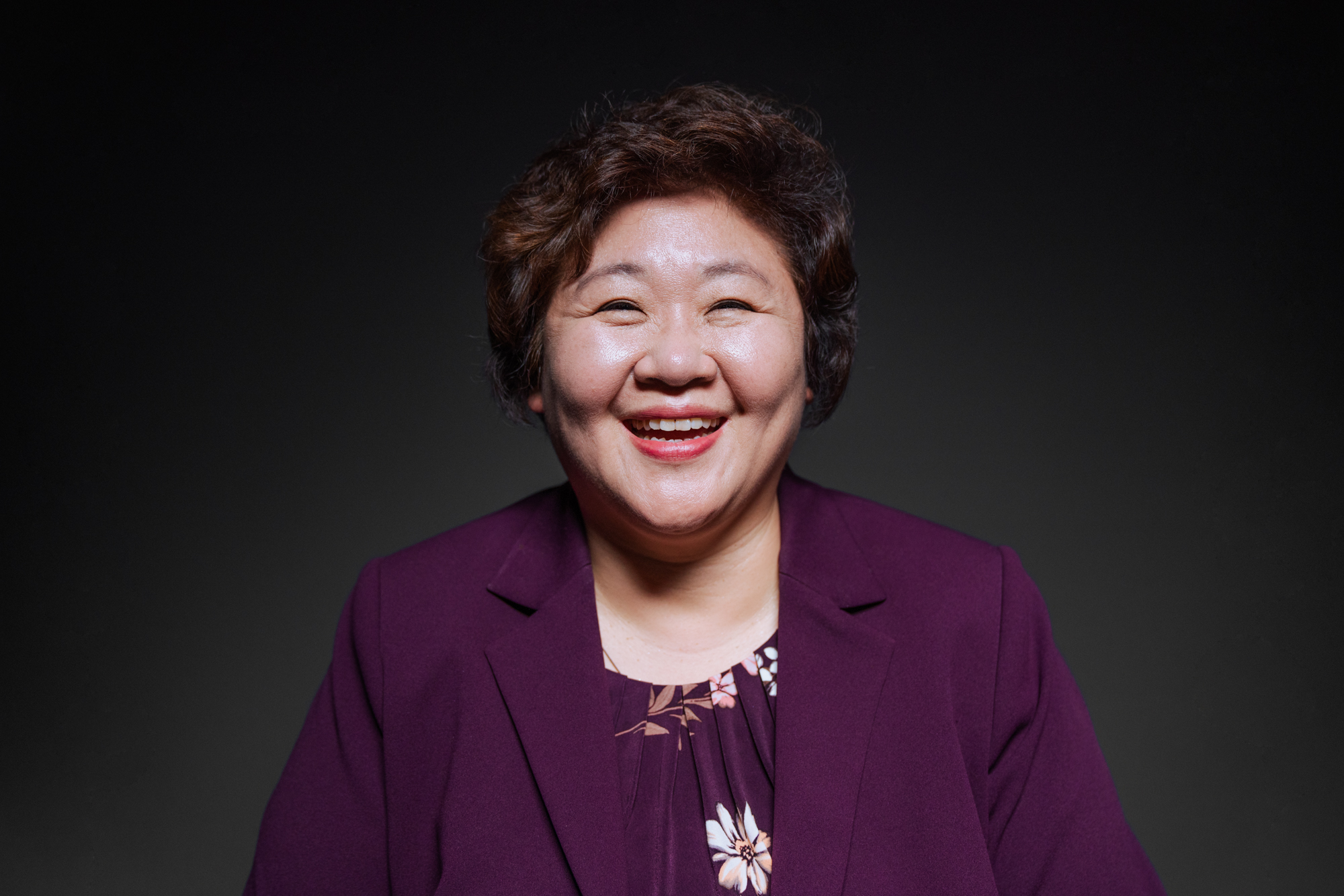
From the straw-thatched house of her childhood in Jeolla-nam-do, South Korea, to the bustling streets of Houston, Texas, Terry Sa Yoon’s life has been a testament to resilience and service. Arriving in the United States in 1970, her family was immediately thrown into harrowing circumstances following a parental health scare. Terry’s journey embodies the strength that one must grow into while transitioning to life in a new country, but also the grace of others which help us out of difficult times. Through the kindness of strangers and the support of her community, she found her calling in helping others and today works as a dedicated service coordinator at the non-profit Woori Juntos, paying it forward to make tangible differences in the lives of those in need.