


Letters to My Hometown: Kim Family
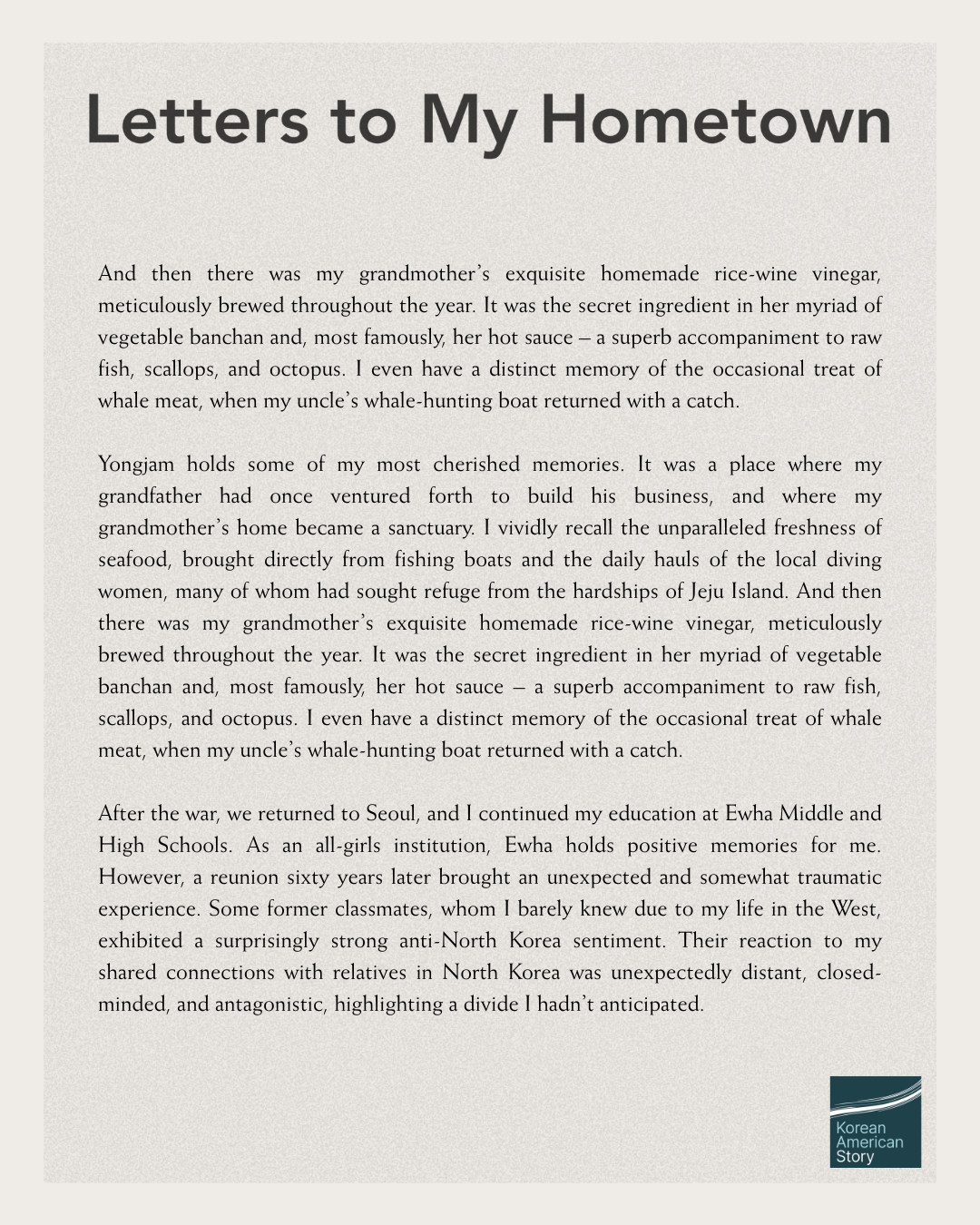
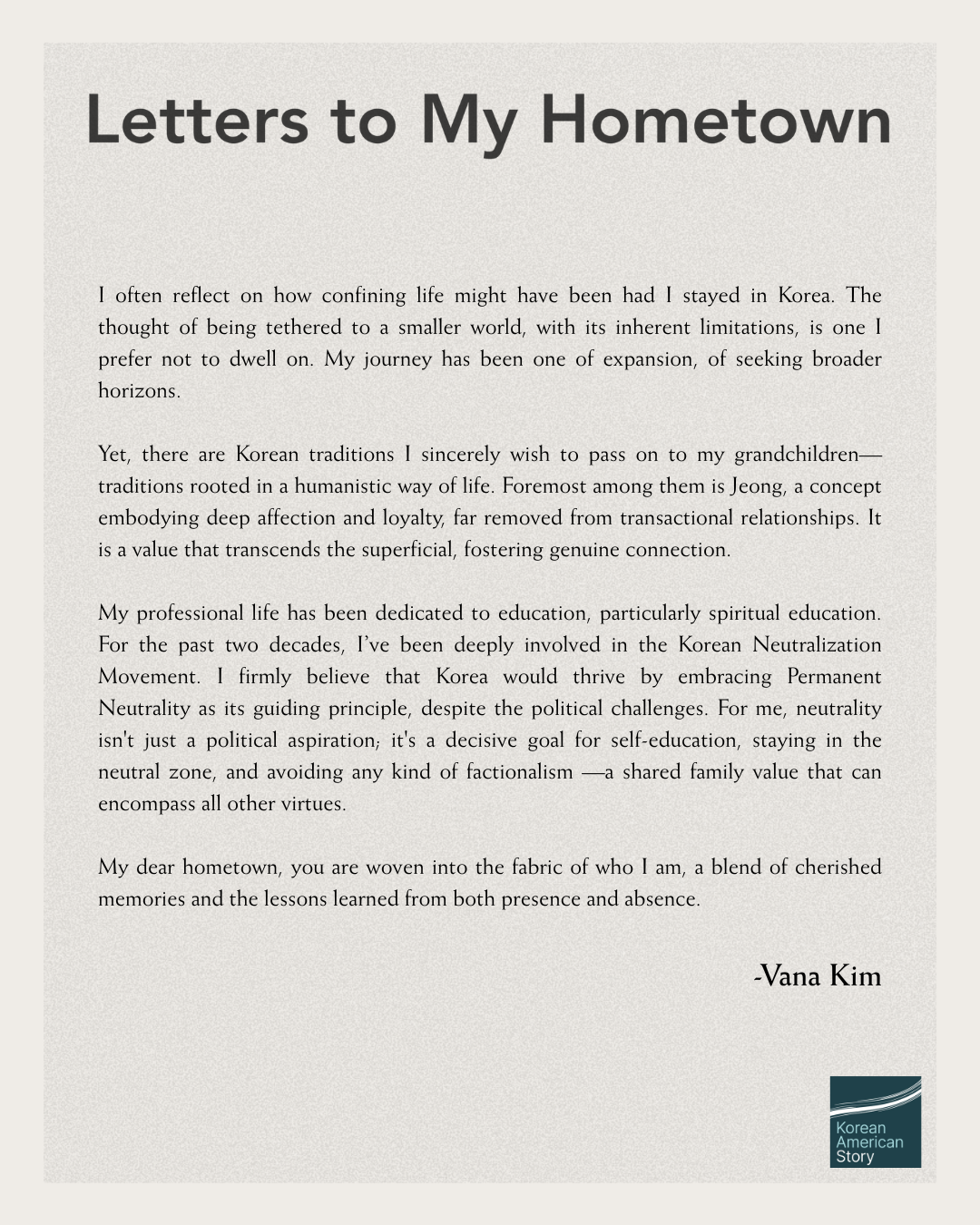
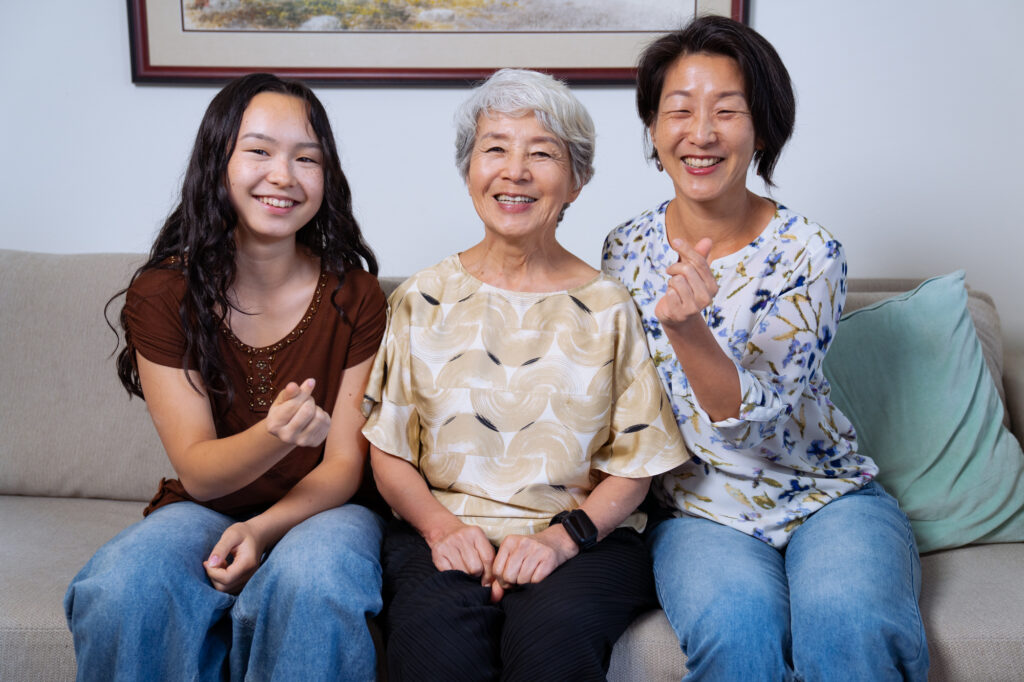
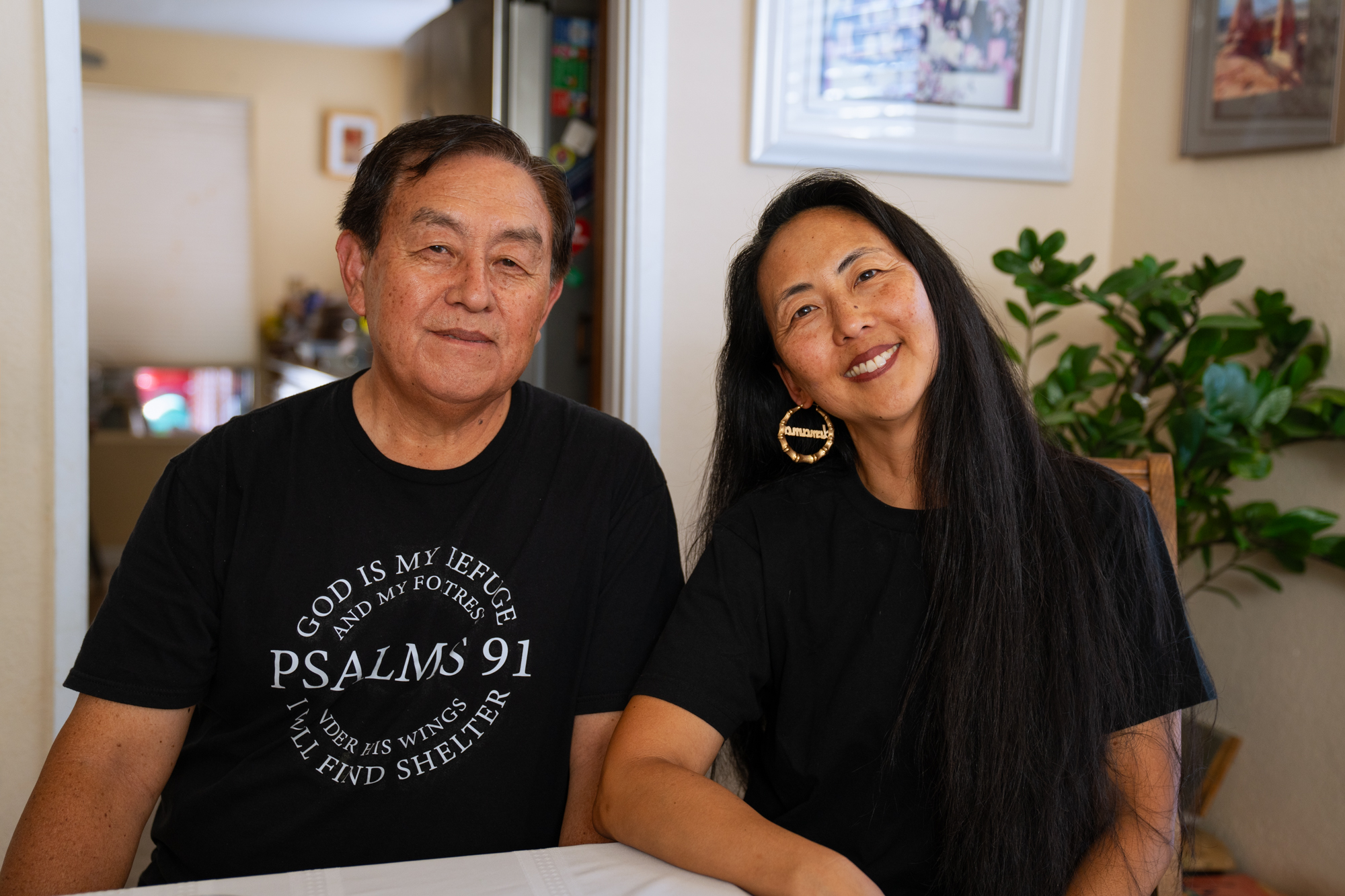
Vana Kim is joined in conversation with her daughter and granddaughter, Una and Hana, as they reflect on their family’s history of exile and how the legacy of division reverberates through generations.
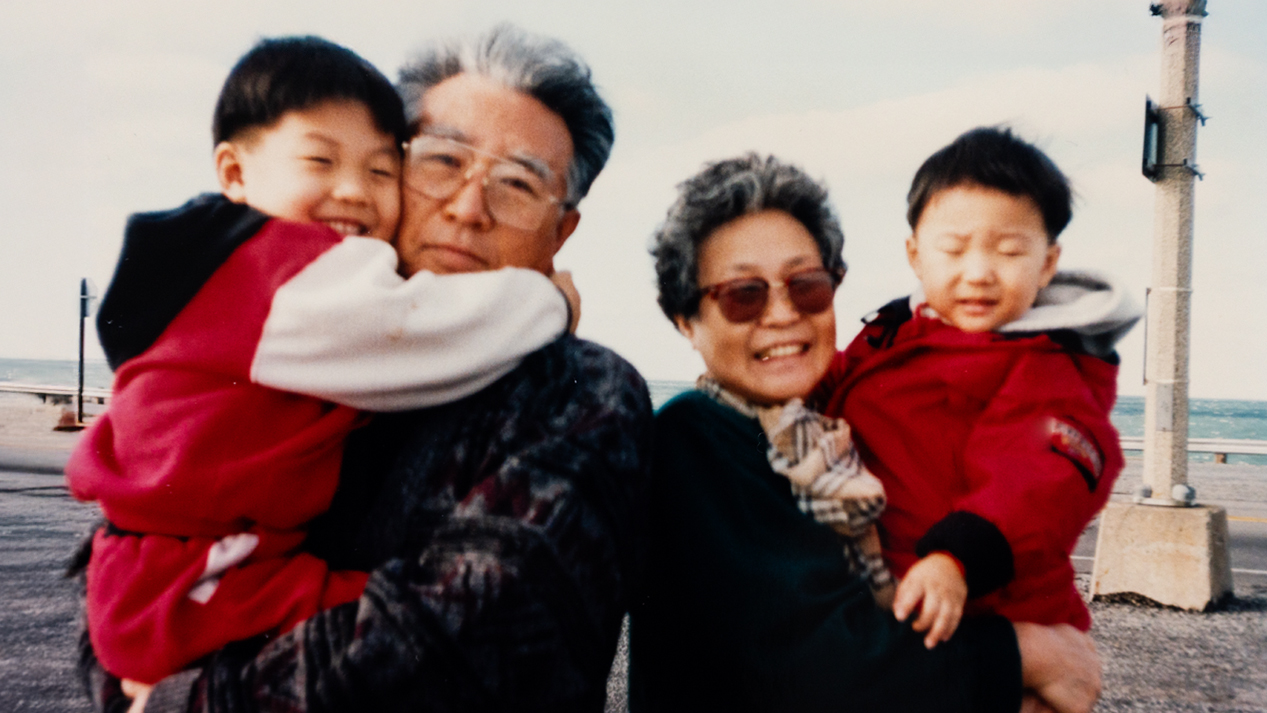
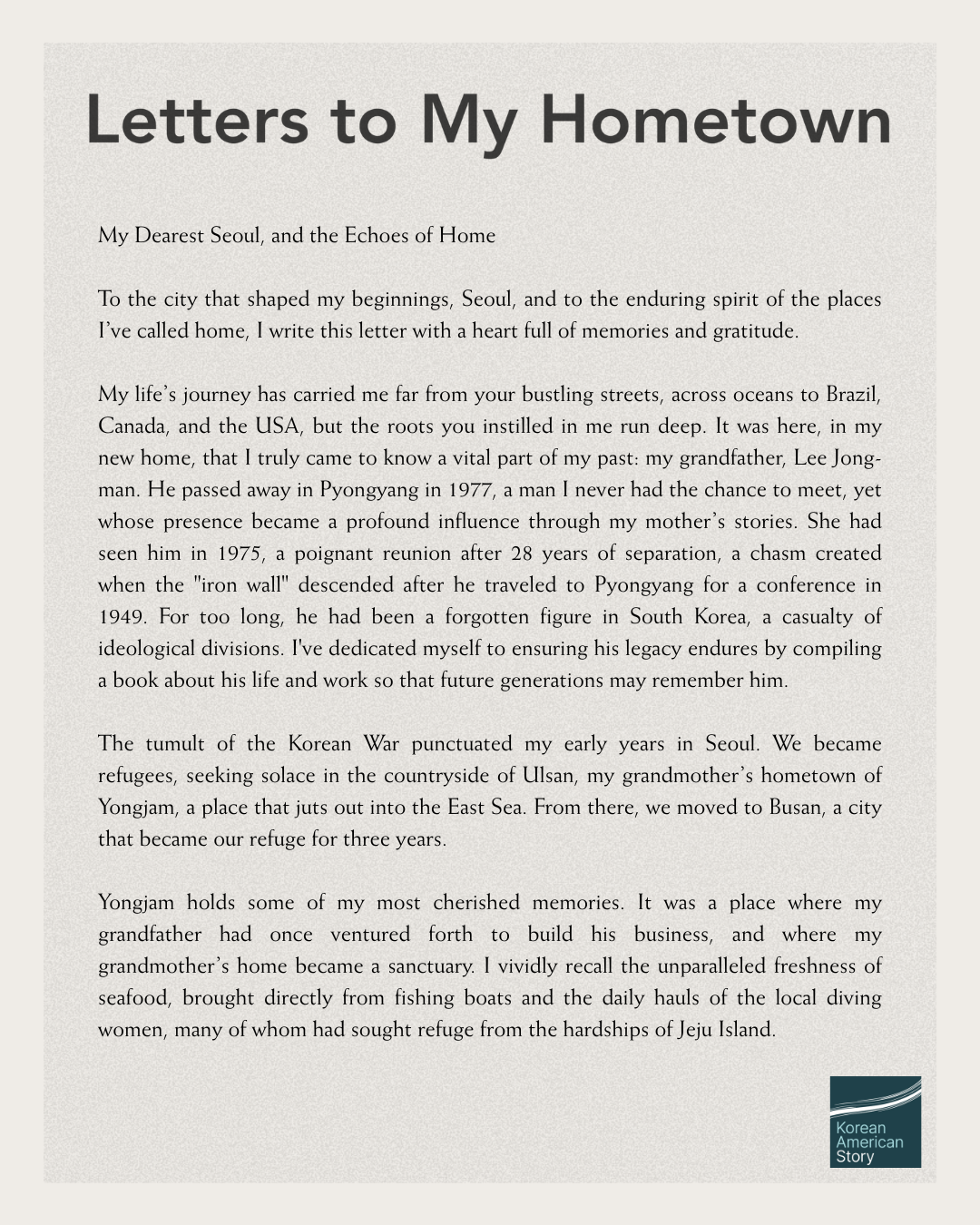
Vana traces her family’s connection to North Korea to her grandfather, industrialist and entrepreneur Lee Jong-man, who left his family in the south to migrate north in efforts to stop the division of the country. Vana’s mother, who later was able to travel north to meet her father, inherited her father’s dedication to a unified homeland and became an advocate for peace. Owing to their proximity to North Korea, Vana describes how her family was treated differently: her brother, Sejin, had to pursue his education abroad, and relatives suddenly stopped talking to them for fear of retaliation.
Una and Hana wonder if their family’s complicated history with their homeland is perhaps why they have difficulty locating one, identifying more as people living in exile than as immigrants. For Vana, whose philosophy and career have been shaped by peace, this history has made “normal” dinner talk impossible, infusing conversations with the weight of war, separation, and longing. Yet she also reminds us of the importance of maintaining “heart connections” with those we can no longer reach in ordinary ways—an ethic realized within divided families and homeland.
The 75 years of division and conflict from the Korean War have not only affected the first generation, who still long for their hometowns in North Korea, but also younger generations who have no memories of the conflict, yet many of whom have inherited the weight of uncertainty and the mission of searching for missing relatives.
This iteration of Letters to My Hometown invites audiences to listen and reflect upon intergenerational conversations of the Korean American community whose divided families have sustained the traumas of their homeland’s partition. Generously supported by American Friends Service Committee (@afsc_org), these conversations aim to take steps toward transforming the intergenerational traumas of the Korean War into opportunities for collective remembering, learning, and healing.