Tag: educator

Esther Kang
Esther Kang is a researcher, educator, and Professor of Design Studies at the University of Wisconsin. As both a child and adult she moved often, experiencing life across a diverse range of cities spanning from Los Angeles and San Francisco, to Dallas and New York, and abroad in Perth, Australia, and Durbin, South Africa. Having lived in Los Angeles the longest and throughout her formative years, she considers the city to be her hometown; her family moved to L.A. in January of 1992, just months before the L.A. Uprising in April. Kang recounts how Saigu was a catalyst in her family’s discussions about race, the idea of which stuck with her as the family moved around the country: while attending school in Dallas, she was one of only two Asians students in the entire student body. As a researcher and educator today, Kang’s work centers on the political, cultural and social implications of Design, incorporating the recognition that design is more than just a means of communication, and that in many ways, the process of design itself is the product as well. She continues to ask what an equitable design process looks like, and what ethical design ethos is, questions she compels us to think about with critical and sensitive understandings of their consequences.

Michael Hurt
Michael Hurt identifies as a visual sociologist, melding his draw towards street fashion and photography with his passion for observation and studies in race and gender. With a mixed background, his mother Korean, father African American, Michael’s interest in identity started early, carrying him through his academic years, eventually bringing him to live and work in Korea since the 1990s.
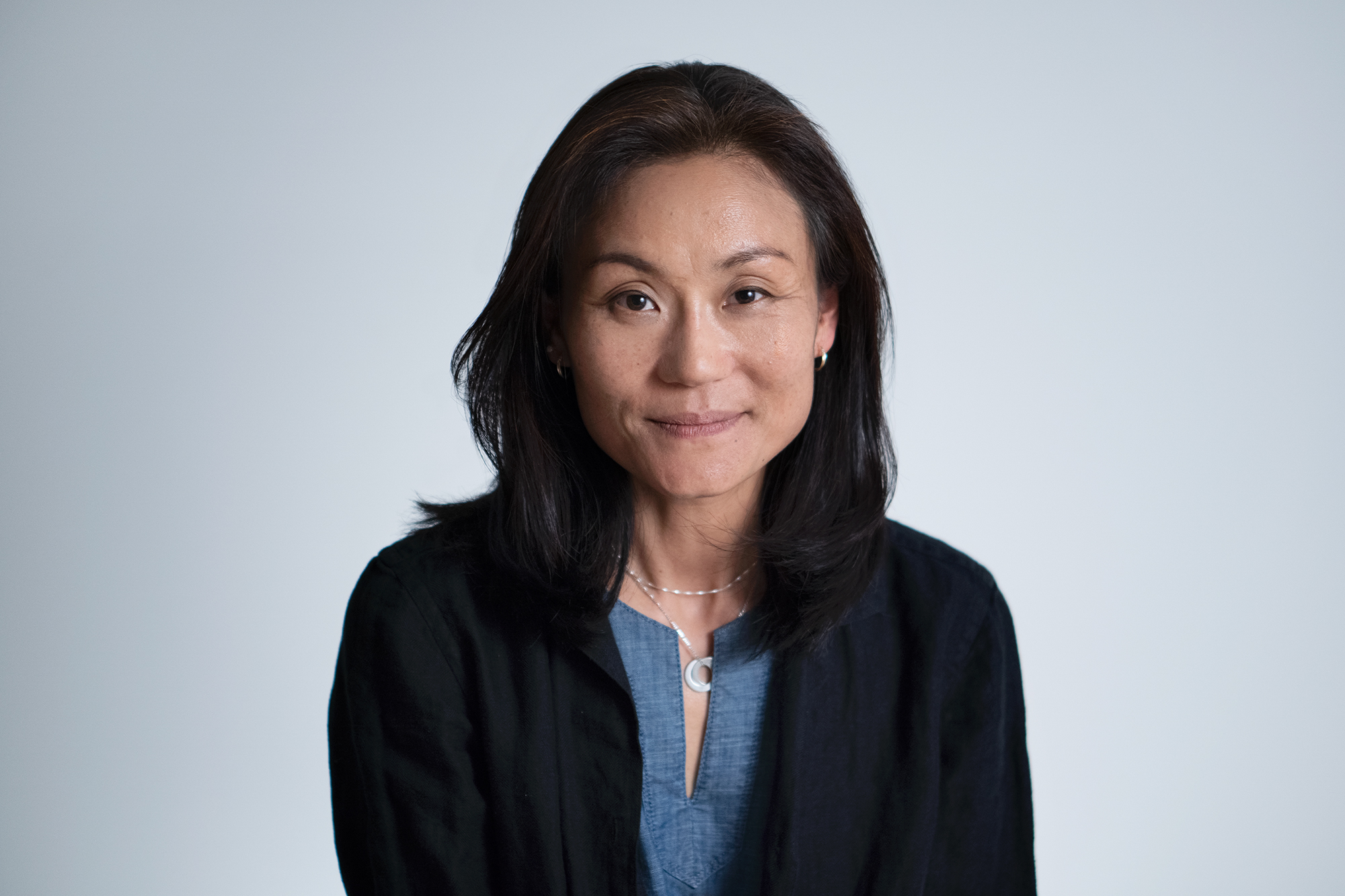
Najung Hiatt
Najung Hiatt was born and raised in South Korea, and moved to America as a university student seeking to continue her education. She met her husband, who is not Korean, and decided to stay in America to raise a family and pursue her dream of becoming an educator. In this remote edition of Legacy Project, Najung shares how she raised her children to be proud of their Korean heritage and that they should never forget the value of being connected to their roots. She hopes the Korean American community will find their own ways to keep in touch with its cultural heritage, so that it doesn’t slip away.